What the Recent Homeowners Insurance Rate Increases Mean for Las Vegas Buyers and Sellers
You have probably seen the headlines: homeowners insurance rates in Nevada went up in 2025, and the increases made news. They did, and this article is about what was actually reported, in plain numbers, without the alarm. The short version: the reported data shows meaningful increases, but also a more measured picture than the headlines suggest, and for Las Vegas buyers and sellers the practical question is not whether rates moved, but how to plan around them. Every figure here is reported and labeled as such, different reported studies cover different periods, and the number that matters for your specific home is always your own quote from your own insurer.
Quick Takeaways
- Reported Nevada homeowners insurance rates rose about 7.5 percent on average in 2025, roughly 2 percentage points above the reported national average increase, per a reported rate-analysis comparison. (reported)
- Reported state approvals in early 2025 covered rate increases affecting more than 130,000 Nevada homeowners and renters across about ten insurers, per reported coverage of Nevada Division of Insurance actions. (reported)
- Over longer reported windows, Nevada premiums were reported up a cumulative 23.7 percent from 2019 to 2024 and roughly 30 percent from 2020 to 2025 in different reported studies, yet reported average Nevada premiums still sat below the national average. (reported)
- The reported drivers are mostly economic: higher repair and construction costs, inflation, and rising reinsurance costs, not Nevada-specific catastrophe events. (reported)
- For buyers, insurance is a real budget line in any home purchase. For sellers, insurance trends matter for buyer financing and for your own renewal, but they are manageable with planning. (education, no promises)
How Much Did Homeowners Insurance Go Up in Nevada in 2025?
Reported Nevada homeowners insurance rates rose about 7.5 percent on average in 2025, according to a reported rate-analysis comparison, which also reported that increase running roughly 2 percentage points above the reported national average increase for the same period. I am labeling every part of that as reported, because it comes from a published comparison of rate activity rather than from me pulling any insurer's filings.
One reported rate tracker put Nevada's average annual premium around $1,746 in 2025, up from reported averages around $1,395 in 2023 and $1,387 in 2022. Three things to notice there. Those are reported averages from one rate tracker, not a quote. Second, an average mostly tells you about the middle of the market, not about your home. And third, the number changes with the value of the home, the location, the insurer and the coverage you choose, which is why every quote is individual. The only way to know what a specific property costs to insure is to get a specific quote for it, and that is true for every home in this valley.
Reported averages hide a wide amount of variation, and I want to be honest about that rather than pretend one number describes everyone. A smaller home in one part of town can quote very differently from a larger home a few miles away, and two homes of similar size can differ by more than people expect depending on age, condition and coverage limits. Treat every figure in this article as a reported data point, not as a prediction for your policy.
The reported picture at a glance
| Reported figure | What it reportedly shows |
|---|---|
| 2025 average increase | About 7.5 percent in Nevada, roughly 2 percentage points above the reported national average, per a reported rate-analysis comparison (reported) |
| State-approved early-2025 increases | Affected more than 130,000 Nevada homeowners and renters across about ten insurers, per reported coverage of Nevada Division of Insurance actions (reported) |
| Cumulative increase, 2019 to 2024 | 23.7 percent, per a reported LendingTree study (reported) |
| Cumulative increase, 2020 to 2025 | About 30 percent, per a reported LendingTree study covering a different window (reported) |
| Average annual premium | Around $1,746 in 2025, up from reported averages around $1,395 in 2023 and $1,387 in 2022, per one reported rate tracker (reported) |
| National comparison | Reported Nevada premiums still sat below the reported national average (reported) |
Every row above is reported context tied to the study or coverage that produced it. Different reported studies cover different periods and use different methodologies, so the percentages do not line up into one tidy story, and they should not be added together. None of this is a quote, a promise or insurance advice; it is the reported picture, laid out honestly so you can ask better questions of your own insurer.
Is Nevada Homeowners Insurance Above the National Average?
Reported, no. This is the part of the story the headlines tend to skip. Per reported LendingTree studies, Nevada premiums were up a cumulative 23.7 percent from 2019 to 2024 and roughly 30 percent from 2020 to 2025, two different reported windows, yet Nevada still ranked among the lower reported average annual premiums nationally in that same reported analysis. An increase can be real and still leave a state below the middle of the pack.
I am repeating those figures as reported because that is what they are. I have not re-run LendingTree's methodology, and I am not going to present its numbers as my own market data. The honest framing is this: the reported trajectory is up, the reported comparisons say Nevada remains below the reported national average, and neither of those facts tells you what your own renewal will say. That is what the quote is for.
Why Are Homeowners Insurance Rates Going Up in Nevada?
The reported reasons are mostly economic, and worth reading plainly. Per reported coverage of Nevada Division of Insurance actions and reported rate analyses, the drivers cited include increases in repair and construction costs, inflation, and rising reinsurance costs. That last one is the insurance that insurers buy to back their own exposure, and when it gets more expensive, it shows up in premiums across the country.
Reported coverage has also noted that natural-disaster claims, wildfire and flood-related losses included, factored into national pricing discussions, while reporting at the same time that Nevada has relatively low reported natural-disaster losses compared with many states. That combination is part of why reported Nevada premiums remain below the national average even while they rose. None of this is a prediction about future filings; it is the reported reasoning for what has already happened.
Will Wildfires in California Raise Nevada Insurance Rates?
Reported early-2025 coverage said the Los Angeles wildfires would not directly drive up Nevada homeowners rates, and it is worth understanding why before you let the headlines create worry. Nevada is not California's insurance market. Reported context repeatedly points out that Nevada's own reported natural- disaster losses are relatively low compared with many states, and that is reported to be a big reason premiums here remain below the national average.
That is factual framing of what was reported, not a promise about what any insurer will file next year. National reinsurance costs can influence pricing discussions everywhere, and nobody can guarantee what a future filing will say. What the reported record supports is this: the events of one state's market do not automatically become Nevada's rates, and Nevada's reported position looks different from California's in the data so far.
How Does Insurance Affect Buying a Home in Las Vegas?
Insurance is a real, recurring budget line in any home purchase, and it belongs in the monthly math right alongside the mortgage, property taxes and HOA dues. Buyers who compare only price and interest rate are comparing half the picture. The full monthly cost of ownership is what your budget actually has to carry, and insurance is a permanent part of that number, not a one-time closing item.
The structure varies by property type. In condo and HOA communities, some insurance layers, like master policies that cover common areas, are handled at the community level, but buyers still need a personal policy for their own unit and belongings. That is general education, not a promise about any specific community, and your own policy decisions belong with a qualified insurance professional.
Some reported and reasoned general guidance: newer construction, and homes with features like updated electrical systems and newer roofs, can report more favorably in quoting. That is a tendency in how coverage is priced, not a guarantee, and I am not going to invent specific savings. A buyer's real habit should be simpler: get quotes early, from more than one insurer, and let the premium sit in the budget conversation honestly. No single company is the answer for everyone, and I am not recommending any.
How Does Insurance Affect Selling a Home in Las Vegas?
For sellers, the effect is indirect but real. Buyers today often factor insurance quotes into their offers and their financing, because their lender wants to see the whole payment picture hold together. A home that is straightforward to insure can be easier to finance, and that matters when a buyer is comparing two similar properties, though it is one factor among many and I am not promising any particular outcome.
Reasoned guidance, without promises: a well-maintained home with an updated roof and systems can be easier to insure and more attractive to buyers. That is about the condition story your home tells, not a guarantee about the premium anyone will be quoted. If your roof and systems are current, it is worth letting buyers and their agents know.
There is also a practical, quiet step every seller can take: renew your own policy, know what it costs, and keep that number handy. It comes up more often than people expect, in buyer questions and in negotiations, and being able to speak to it plainly is a small advantage. In the end, insurance is one input among many in a transaction. It does not change the fundamentals of pricing a home to what the market evidence supports.
The Bigger Picture: Nevada Insurance Costs, in Context
Stepping back, the reported picture is level-headed. Nevada's reported premium trajectory is up, like most of the country's, but Nevada reportedly remains below the national average, and the reported reasons are mostly cost-driven and economic, rising repair and construction costs, inflation and reinsurance, rather than a Nevada-specific insurance crisis. Reported natural-disaster losses in the state are relatively low by comparison, and reported early-2025 coverage did not tie California's wildfires directly to Nevada rates.
The practical takeaway for both buyers and sellers is simple, and it works whether rates rise, hold or ease: know your numbers, shop thoughtfully, and plan for insurance as a real part of the monthly cost of a home. None of that requires predicting the market. It just requires asking for quotes, reading your renewal, and keeping the line item in the budget where it belongs. That is education, not insurance or financial advice, and your own insurer and, where relevant, a tax professional are the people to confirm the specifics for your situation.
How Sandy Helps Las Vegas Buyers and Sellers Plan for the Numbers
With more than 36 years in Las Vegas real estate, including years spent as a licensed residential real estate appraiser, I help buyers build realistic budgets: insurance, property taxes, HOA dues, and every other recurring line item, so the decision is based on the full monthly picture rather than a list price. For sellers, I help you understand everything a buyer's lending package includes, so your home is presented and priced the way the market will actually evaluate it.
What I do not do is quote insurance or pretend to be an insurer. This is general real estate education, not insurance advice. The insurance number for your situation comes from your own insurer or a qualified insurance professional, and I will help you understand how it fits the rest of the transaction, because the real estate part is my job and I know it cold.
Frequently Asked Questions About Homeowners Insurance in Nevada
Q: Why are homeowners insurance rates going up in Nevada?
A: The reported drivers are economic rather than catastrophe-driven: higher repair and construction costs, inflation, and rising reinsurance costs, per reported coverage of Nevada Division of Insurance actions and reported rate analyses. Reported natural-disaster claims have factored into national pricing discussions, but Nevada's reported natural-disaster losses are relatively low compared with many states. That is all reported context, and each insurer's filing depends on its own books.
Q: How much did homeowners insurance go up in Nevada in 2025?
A: Reported Nevada homeowners insurance rates rose about 7.5 percent on average in 2025, roughly 2 percentage points above the reported national average increase, per a reported rate-analysis comparison. One reported rate tracker put Nevada's average annual premium around $1,746 in 2025, up from reported averages around $1,395 in 2023 and $1,387 in 2022. Those are reported averages, not a quote or a promise for any specific home.
Q: Is Nevada homeowners insurance above the national average?
A: Reported, no. Reported LendingTree studies found Nevada premiums up a cumulative 23.7 percent from 2019 to 2024 and about 30 percent from 2020 to 2025, yet Nevada still ranked among the lower reported average annual premiums nationally. Different reported studies cover different periods, so the figures vary by source, and below average does not mean low for a specific home.
Q: How does insurance affect buying a home in Las Vegas?
A: Insurance is a real monthly budget line in any home purchase, alongside the mortgage, property taxes and HOA dues. In condo and HOA communities some insurance layers are handled at the community level, but buyers still need a personal policy. The practical habit is to get quotes early and shop multiple insurers, because every quote is individual to the home, the location and the coverage.
Q: How does insurance affect selling a home in Las Vegas?
A: Buyers today often factor insurance quotes into their offers and financing, so a home that is straightforward to insure can be easier to finance. A well-maintained home with an updated roof and systems can be easier to insure, though nobody can promise a specific premium. Sellers should also know their own renewal cost so they can speak to it in negotiations. Insurance is one input among many; it does not change the fundamentals of pricing a home to the market.
Q: Will wildfires in California raise Nevada insurance rates?
A: Reported early-2025 coverage said the Los Angeles wildfires would not directly drive up Nevada homeowners rates, and it is worth understanding why: Nevada is not California's insurance market. Nevada has relatively low reported natural-disaster losses compared with many states, which is part of why reported Nevada premiums remain below the national average. That is reported context, not a promise about future filings.
Related Resources
- Home Financing Guide: how the full monthly payment picture, insurance included, comes together.
- Making an Offer on a Las Vegas Home: what buyers think through before they commit to a number.
- Closing on a Las Vegas Home Without Surprises: what happens between offer and keys.
- Las Vegas Buyer FAQ: the questions buyers ask before they call.
- Selling a Las Vegas Home: the seller side, from pricing to closing day.
- All Buying, Selling & Homeownership articles
Want to Understand How Insurance Fits Your Specific Numbers?
Whether you are buying, selling, or simply renewing your own policy, I am happy to help you understand how the numbers fit your specific situation and connect you with the right conversations. No pressure, no pitch, and I am not going to recommend a specific insurance company or agent. What I will do is lay out the real-estate side of the picture the way I would want it laid out for myself.
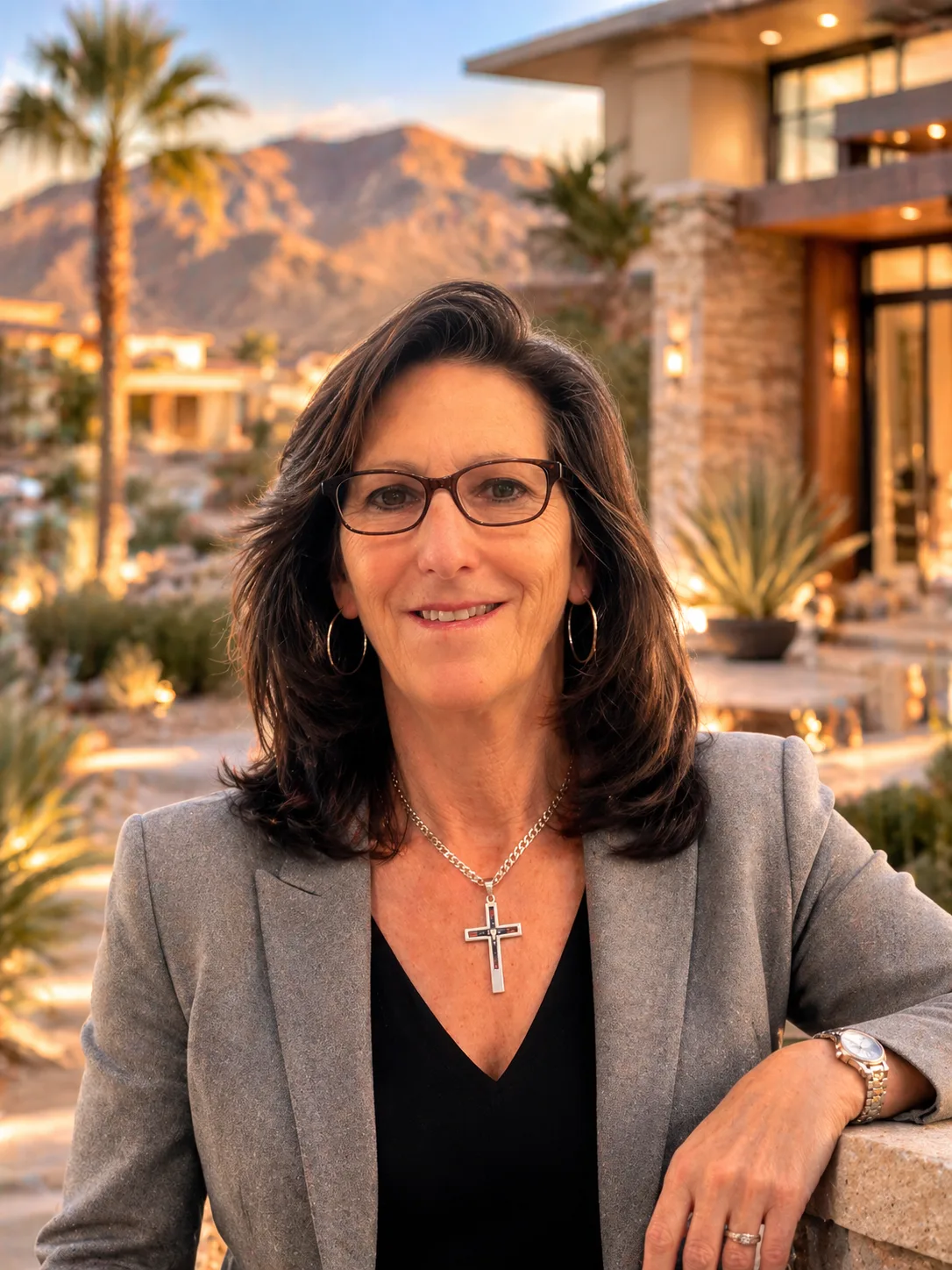
Written by
Sandy Margolin
REALTOR · Certified AI Agent · 36+ years in real estate · Former Appraiser · Nevada license S.0072707.
More about SandyInsurance is one number. Your plan is the whole picture.
The reported averages are a starting point. The conversation lays out the numbers for your specific situation, no pressure.