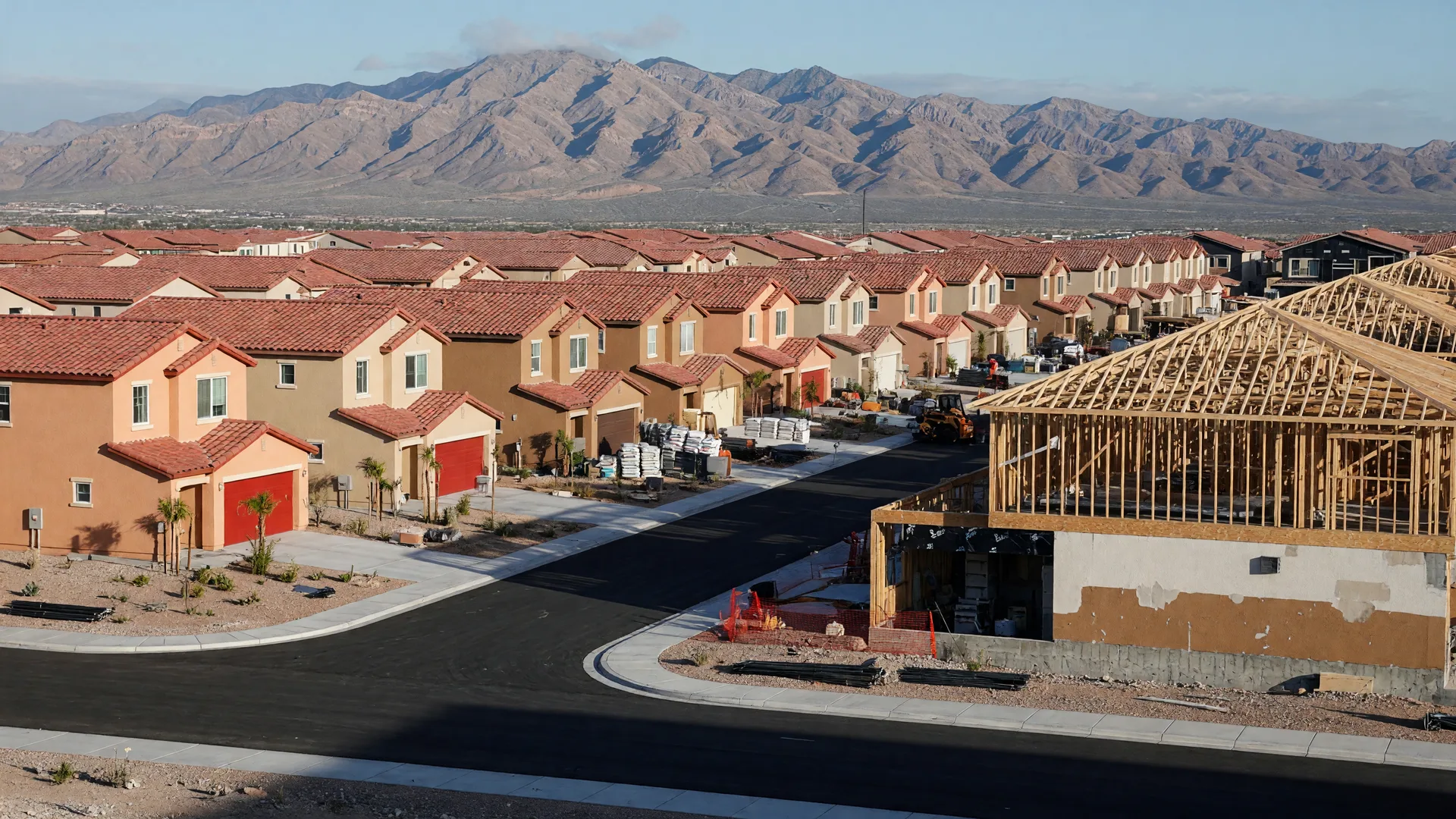
The Joy of Building New
New construction is the fastest-growing corner of the Las Vegas market, and it runs on different rules than resale. These guides cover the search, the representation and the contract, so 'new' is a feature you buy knowingly.
Why Buy New? The Real Advantages
So, why new? Let me tell you what I genuinely love about new construction for the right buyer. It is not about having the newest house on the street, it is about what a brand-new home actually gives you from the moment you walk in.
You are the very first to live there
No one has cooked in that kitchen, slept in those bedrooms or made those walls their own. The home is brand new, never lived in, never someone else's. There is a real feeling in that.
It is yours from day one
You get to pick the finishes, flooring, counters, fixtures, colors and upgrades. The home is tailored to you before you ever turn the key, not something you inherit and slowly make your own.
Years before the big wear and tear
A new home is built to last. As a general rule, a typical asphalt shingle roof lasts about 25 years and a typical water heater about 8 to 10 years. In a new home you are at the start of those clocks, not inheriting someone else's years of use. Those are typical lifespans, not promises, but they show the head start you get.
No one else's problems to inherit
You are not buying someone else's headache, deferred maintenance or mystery problems. No unknown history, no guessing what the previous owners neglected, no surprise fixes waiting in year one.
A whole new community around you
New communities come with fresh amenities, parks and modern floor plans designed for how people actually live today, from open kitchens to flex spaces and energy-conscious building.
Exciting, with a clear head
New construction is genuinely fun, and it deserves a level head. That is where I come in: compare the numbers, protect your interests and walk into that model home registered and prepared.
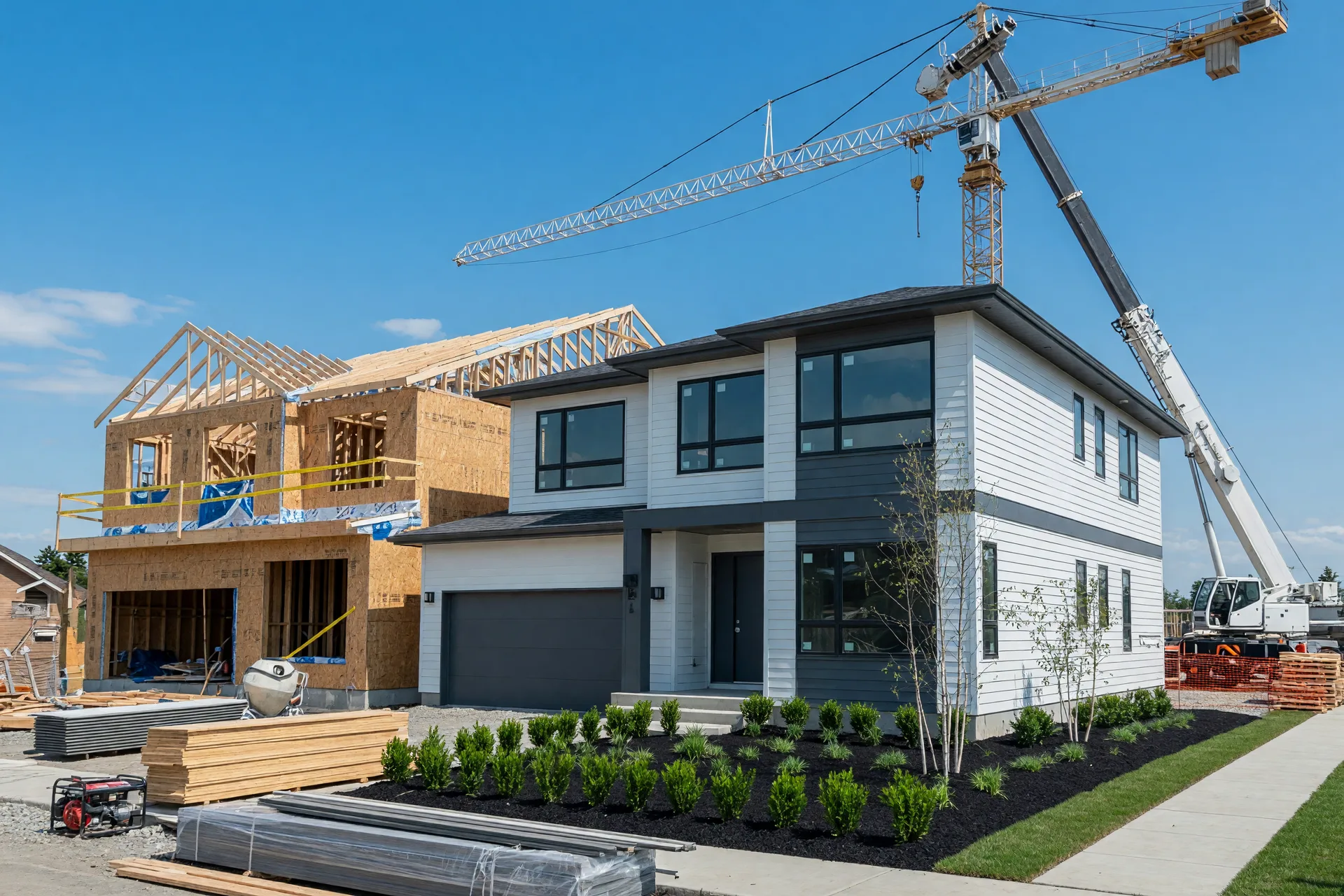
Buying a New Construction Home
Read Sandy's full guide to buying new construction, from first visit to final walkthrough. It covers the real pros and cons, who gets the most value, and the registration step that protects you, in plain English.
Read the Full GuideNew Build vs. Resale
If you are weighing new construction against a resale, here is the trade-off in plain English. Neither one is automatically better. It depends on what you value, how long you plan to stay, and which trade-offs you are comfortable with.
The new build
What a home no one has lived in yet gives you.
- A brand-new home, never lived in. No one else's kitchen, walls or history.
- You choose the finishes, flooring, counters and upgrades, so it is tailored to you before you ever turn the key.
- You are at the start of the wear-and-tear clock. As a general idea, a typical asphalt roof lasts around 25 years and a typical water heater around 8 to 10 years. New means you get the full life span, not someone else's used years. Those are typical lifespans, not promises.
- No inherited problems. No mystery history, no deferred maintenance you have to discover.
- Modern floor plans and a brand-new community around you, with fresh amenities, parks and landscaping.
The resale
What an established home gives you in return.
- Instant move-in. The home is ready, with the neighborhood and landscaping already established.
- Usually a more established community, often with mature trees and settled character.
- Often more square footage for the dollar than a comparable new build in the same area.
- Known history if you do your due diligence: disclosures, inspections, records and a visible track record.
- The honest trade-off: you inherit someone else's wear and tear, older systems and possibly deferred maintenance.
So it is not about which one is better. It is about which trade-offs fit your life. I help buyers compare the all-in numbers of a new build against the resales in the same area, so the decision is based on evidence, not just the excitement of a model home.
What the process really looks like
New construction runs on a different clock than buying a resale, so it pays to plan ahead. Here is the journey, from that first conversation to the day you get your keys.
- 1
Get pre-approved first
Before you fall in love with a floor plan, know your budget. A pre-approval tells you what you can actually afford once the lot premium, upgrades and HOA are in the picture.
- 2
Choose the community and the lot
Bring your own agent before your first builder visit, so you are registered from the very start. An unregistered first visit can cost you the ability to be represented.
- 3
Select your finishes and upgrades
In the design center you pick the flooring, counters, cabinets and fixtures. It is the fun part, and it is also where budgets can creep, so go in with a plan.
- 4
The build itself
Construction typically takes several months, depending on the builder and the community. You will watch your home go up, with visits and updates along the way.
- 5
The final walkthrough
Before closing, you walk the home and inspect everything, from the paint to the outlets to the appliances, and note anything that needs correcting.
- 6
Closing and your keys
The paperwork, the funding and finally the keys to a home no one has ever lived in.
New construction runs on a longer clock than buying a resale, so it helps to plan ahead, especially if you need to sell your current home first. I help buyers navigate every step, from the first visit to the final walkthrough, so nothing slips through.
The one costly mistake to avoid
If you walk into a builder's model home without your own agent and register as a customer, the builder may treat you as an unregistered buyer. Once that happens, I, or any agent, may not be able to represent you or earn a commission on that home. That can leave you without an advocate in the most expensive transaction of your life.
The fix is simple: involve your own buyer's agent from the very first visit. Your agent registers you with the community before the builder's sales team assigns you, and you get someone whose job is to protect your interests. Compensation arrangements vary by builder and transaction, and the payment agreement is documented in the written buyer representation agreement. I go into this in more detail on the why-you-need-your-own-agent page.
Why you need your own agentReady to see the new-construction communities I work with?
Let me walk you through the builders, the lots and what to ask before you visit. We can also compare a new build against resales in the same area, so you go in knowing exactly where you stand.
Or browse the new-home communities firstThe guides
The new-home search page maps where the communities are and how to compare them, and the why-your-own-agent page explains the single most expensive mistake new-construction buyers make, walking into the model home unregistered.
The buyer process page covers how a new-build purchase fits the standard steps, from pre-approval to closing.
The questions to ask any builder
What is the all-in price after lot premium, elevation and upgrades? What incentives are on the table, and what do they replace? What happens if the appraisal comes in low? Who represents me in this transaction?
Every one of those answers should be in writing, and every one of them is easier to get with your own representation in the room.
The money pages
Financing, affordability and the mortgage calculator make the new-home math real: builder financing versus market rates, upgrade budgets and the monthly number that includes the HOA.
Run the numbers before you sign, because the model home is designed to make you feel, and the calculator is designed to make you think.
- Financing in plain English: /buy/financing/
- Affordability calculator: /resources/calculators/affordability/
- Mortgage calculator: /resources/calculators/mortgage/
Questions before the call
Is new construction a good value in Las Vegas?
Sometimes clearly, sometimes not. We compare the all-in new-home price against comparable resales and the community's own track record, so the answer is evidence, not advertising.
When do I register my agent?
Before your first visit to the community. Registration policies vary by builder and can affect whether the builder agrees to compensate your agent, and an unregistered first visit can cost you the representation. Compensation arrangements vary by builder and transaction, so confirm the builder's policy and your payment agreement before you go.
Looking for something specific?
The resources page is a library, and a conversation is the fastest search. Ask and I will point you at the right page or answer directly.