Discover Senior Living in Las Vegas
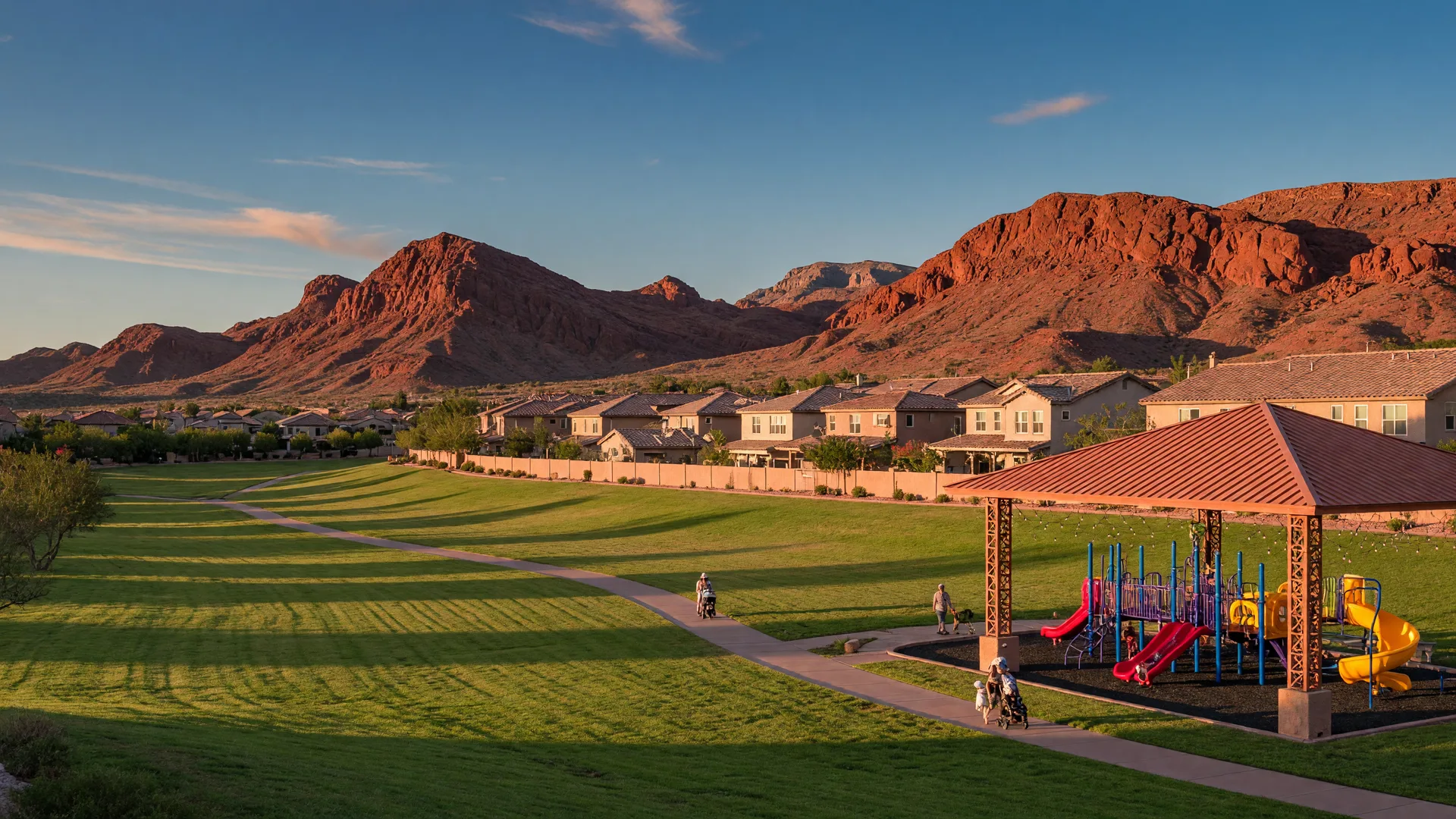
Category imagery: a representative image for the Communities & Neighborhoods topic, not a specific listing or property
When you hear "senior living" in Las Vegas, you might picture one of two very different things: a gated neighborhood with a golf course and a packed activity calendar, or a care residence with nurses on staff. Both of those pictures are accurate, and that is exactly why the term gets confusing. This guide sorts it out: what senior living and retirement living actually look like across the Las Vegas Valley in 2025, how to tell the options apart, and how to find the one that fits the way you want to live.
Quick Takeaways
- In Las Vegas, "senior living" covers very different things: buying a home in an active adult 55+ community, renting in a care-oriented residence, or an ordinary house that suits your next chapter.
- Active adult communities are neighborhoods of owned homes with clubs, golf, pools, pickleball, fitness centers and social calendars, age-restricted per each community's rules.
- Care-oriented senior living, including assisted living, memory care and skilled nursing, provides daily assistance and care. It is a different product from buying a home.
- Las Vegas draws retirement buyers with sunshine, mild winters, no Nevada state income tax (as reported), healthcare, dining and entertainment, and an airport that keeps travel easy.
- From Sun City Summerlin to Sun City Anthem and Sun City Aliante, the valley's age-qualified communities differ widely in size, price, location and amenities, so lifestyle fit beats any generic list.
- These communities sell ordinary homes, so offer, escrow and closing are familiar, but age-qualification rules, HOA documents and community culture decide whether you will love living there.
What Does "Senior Living" Mean in Las Vegas?
Las Vegas has become a popular retirement destination, and the reasons are easy to list: abundant sunshine, no Nevada state income tax (as reported, and taxes depend on individual circumstances, so confirm yours with a professional), resort-style amenities and a wide range of housing options, from active adult communities to care-focused residences.
"Senior living" is the umbrella term, and that is where the confusion starts. Under that single phrase sit very different products: active adult and age-restricted communities where you buy a home, care-oriented residences where daily assistance and care come first, and ordinary Las Vegas homes that simply work for how you want to live. The right choice depends entirely on your situation.
So the real question is not "senior living or not." The real question is what kind of living fits the life you actually want, and that is what the rest of this article walks through.
What Are Active Adult 55+ Communities?
Active adult communities, often called 55+ communities, are neighborhoods where residents meet the community's age requirements. Under the federal Housing for Older Persons rules, these communities are generally able to require that at least one resident of each home be 55 or older. Occupancy rules vary by community, so the specifics should always be verified with the individual association.
You buy the home the same way you would buy any Las Vegas house. What you get on top of the house is the lifestyle: clubs, golf courses, pools, pickleball courts, fitness centers and a social calendar that runs all year.
Examples across the valley include Sun City Summerlin, Sun City Anthem, Sun City Aliante, Del Webb communities, Trilogy, Siena, Regency at Summerlin, Heritage at Stonebridge and similar age-qualified neighborhoods.
The catch is that these communities differ from one another as much as they differ from everywhere else. Size, price, location and amenity mix vary a lot, and price ranges span broadly across the valley depending on the community, the phase and the floor plan. I will not quote a single figure here; what you should look at are current listings and the actual fee schedule for the community you are considering, and that is exactly what I pull for clients.
What Is Care-Oriented Senior Living?
The other meaning of senior living is care-oriented: assisted living, memory care and skilled nursing residences. These are licensed facilities that provide daily assistance and care, and they are a different product entirely from buying a home in an active adult community.
The decision process is different too. Care is the priority, the residence is usually rented rather than purchased, and the decision is often made with other trusted people in the room, sometimes under real time pressure.
If you or someone close to you may need care now or soon, this is a healthcare decision as much as a housing one. It deserves its own careful research, and it does not compete with buying a home; it is simply a different path.
What About the Middle Ground?
A lot of retirement buyers in Las Vegas do not need care and do not want a facility. They want a home of their own with resort-style amenities and no care needs. That is exactly what the active adult and age-qualified communities deliver.
For most of the clients who call me about "senior living," this middle ground is what they are actually describing, even when they have not found the vocabulary for it yet. Owning a single-story home, walking to a clubhouse for dinner, playing pickleball at eight in the morning, and having a maintenance-light life is a housing choice, not a care choice.
Active Adult vs Care-Oriented vs Standard Homeownership
Here is the simplest way to keep the three categories straight:
| Option | What it is | Care included | How you pay | What to know |
|---|---|---|---|---|
| Active adult / 55+ | A neighborhood of owned homes, often age-restricted, built around amenities and social life. | No care; amenities and social programming instead. | You buy the home; monthly HOA and sometimes amenity fees. | Age-qualification rules and HOA documents are part of the process; verify current fees. |
| Care-oriented senior living | Assisted living, memory care and skilled nursing residences providing daily assistance and care. | Yes, daily assistance and care at varying levels. | Typically rent or a care contract, not a home purchase. | A care assessment usually comes first; decisions are often made with other trusted people. |
| Standard homeownership | Any ordinary Las Vegas home. | No care and no structured activities; full independence. | You buy the home; property taxes, utilities, maintenance and any standard HOA. | No age rules; you manage maintenance and community life yourself. |
Fee structures, care levels and community rules change and vary widely, so treat this table as a starting point and verify the specifics for every community you visit.
Why Do Retirees Choose Las Vegas?
The reasons people cite most often, in plain terms: no Nevada state income tax (as reported; tax situations depend on individual circumstances, so confirm what applies to you with a tax professional), mild winters, abundant sunshine, strong healthcare infrastructure across the valley, world-class dining and entertainment nearby, and an airport that makes visiting adult children and travel genuinely easy.
None of those reasons, on its own, tells you which home to buy. Together they explain why the valley keeps appearing on retirement short lists, and why so many people arrive planning to stay for a season and end up staying for good.
I am careful with the tax point because it gets oversimplified. Whether a move helps your specific tax picture depends on where you come from, what your income looks like and how your finances are set up. Treat the no-income-tax line as a reason to dig into the details, not as a substitute for them.
How Do You Choose a Community That Fits Your Life?
The question I ask before showing anyone a single floor plan is simple: what does your life actually look like? How do you want to spend your days, how much structure do you want, and what do you need to be close to?
Then compare communities on the things that determine whether you will love living there:
- Monthly HOA fees and exactly what they cover, including any extra amenity, club or golf costs.
- The activity calendar and whether it matches your interests, not just the brochure.
- Clubhouses and amenities you will actually use, from pickleball courts to fitness centers to arts and crafts rooms.
- Proximity to healthcare. Summerlin's medical district sits near Sun City Summerlin, and St. Rose and Henderson-area facilities sit near Sun City Anthem, as general reported context.
- Grocery and clinic access, and how easy the errands of daily life are without a long drive.
- Resale value and the market evidence for the community, not just today's price.
- The feel of the neighborhood on an ordinary weekday, with the gates open and no sales event running.
Two communities can share a price range, look identical in a brochure and deliver completely different daily lives. Lifestyle fit beats a generic list every time.
Questions to Ask When You Tour a Community
Take this list with you. The answers are the point, not the impressions.
- What exactly does the HOA fee cover, and what is extra, like golf, club memberships or amenity passes?
- How are special assessments proposed, voted on and handled?
- What does the activity culture actually look like day to day, and who organizes it?
- How close are medical services, pharmacies and clinics, and how hard is the drive in traffic?
- What do the residents here realistically spend their time doing?
- Are there waiting lists, either for homes in certain phases or for amenity access?
- How do resales go here, and what does recent sales activity tell you about demand?
How Does the Buying Process Work in These Communities?
Here is the good news: an active adult community sells an ordinary home. You make an offer, go through escrow and close in the same familiar way you would anywhere else in Las Vegas.
What is different is the qualification layer. Age-restricted communities ask for age and occupancy documentation at purchase, the HOA package is detailed, and community-specific nuances, like which phase you buy in or how amenities are accessed, matter more than you would expect.
That is where an agent who knows these communities saves you time and prevents surprises. You want someone who has already read the governing documents, knows the fee structures and can tell you what the community is like on a Tuesday, not just what the sales center looks like on a Saturday.
How I Help: Finding the Community That Fits the Person
I specialize in the Las Vegas Valley's 55+ and active adult communities. I know Sun City Summerlin and the valley's other age-qualified neighborhoods in detail: their size, their amenities, their HOA structures and how they genuinely compare. More than 36 years in Las Vegas real estate means I have watched these communities through many market cycles and many changes in what buyers want.
I ask lifestyle questions first: how do you want to spend your days, how much structure do you want, what do you need to be close to? The community should fit the person, not just the budget, and the numbers need to make sense before we get deep into floor plans. My job is to educate you on what the evidence shows and help you make an informed decision, even when the answer is not what you hoped to hear.
Frequently Asked Questions
Q: What does senior living mean in Las Vegas?
A: In Las Vegas, senior living covers very different things: active adult 55+ communities where you buy a home with resort-style amenities, care-oriented residences like assisted living, memory care and skilled nursing that provide daily assistance and care, and ordinary homes that simply suit the way you want to live. Telling the categories apart is the first step.
Q: Are Las Vegas 55+ communities actually age-restricted?
A: Yes. Active adult communities operate as age-restricted communities under the Housing for Older Persons rules, which generally allow the community to require that at least one resident of each home be 55 or older. Occupancy rules vary by community, so verify the current rules with each association before you commit.
Q: Do 55+ communities provide medical care?
A: No. Active adult 55+ communities are neighborhoods of owned homes built around amenities and social life; they do not provide care. Care-oriented senior living, including assisted living, memory care and skilled nursing residences, is the category that provides daily assistance and care, and it is a different product from buying a home.
Q: How much does it cost to live in a Las Vegas 55+ community?
A: Price ranges and HOA fees span broadly across the valley depending on the community, the phase and the floor plan, and monthly fees vary with what they cover. There is no single figure that fits every community, so the right move is to pull current listings and the actual fee schedule for the community you are considering.
Q: How do I choose between Las Vegas senior living options?
A: Start with lifestyle fit rather than a generic list: what the HOA fee covers, the activity calendar, the amenities you will actually use, proximity to healthcare and groceries, resale value and the feel of the neighborhood. Tour the communities, take the questions in this article, and work with an agent who knows these communities in detail.
Related Resources
- The Las Vegas 55+ home buyer guide walks through how these communities work from the buyer's seat.
- The 55+ living guides collect the valley's active adult resources in one place.
- The Sun City Summerlin guide covers the valley's largest active adult community in detail.
- The Sun City Anthem guide covers Henderson's 55+ anchor community.
- Comparing Las Vegas 55+ communities goes deeper on how to weigh one community against another.
- The 55+ communities hub gives the fast tour of who is who across the valley.
Is Retire-in-Style Las Vegas Right for You?
You do not have to be ready to move to have the conversation. Exploring is free, and it is how you learn what the options actually are. That is true whether you are thinking about a 55+ community for yourself, helping someone close to you figure out their next chapter, or simply wondering, for the first time, what your options would even look like.
Two useful next steps, both free and both yours:
- Schedule a 30-minute call to explore whether retire-in-style Las Vegas fits, with no obligation attached.
- If you are selling first, get a free home value estimate so you know what you have to work with.
- And if a cash offer is part of your plan, this walkthrough of cash offers shows how that path works.

Written by
Sandy Margolin
REALTOR · Certified AI Agent · 36+ years in real estate · Former Appraiser · Nevada license S.0072707.
More about SandyNot sure which senior living option fits?
That is exactly the conversation worth having. Let us talk through your life first, then the communities, on a call or in person.