Understanding Closing Costs for Las Vegas Homebuyers
Closing costs are the one-time fees paid at the end of a home purchase, and knowing what they cover is part of budgeting with confidence. They are easy to overlook while you are focused on the down payment and the monthly payment, but they show up at the table right before the keys change hands. I have walked buyers through Las Vegas closings for decades, and I make a point of going through the numbers with every buyer so there are no surprises at closing.
This article explains the reported common pieces of closing costs, how buyers typically think about budgeting for them, and who usually pays what. Every figure here is reported or illustrative, labeled as such, and clearly not a quote and not a guarantee about any loan, fee, rate or total. This is general education rather than legal, tax or financial advice for your specific situation, and your lender's closing disclosure is the document that actually sets your numbers.
Quick Takeaways
- They vary. Reported closing costs vary by purchase price, loan and lender, and no single number is universal (reported/illustrative).
- They include. Reported typical items include lender fees, title and escrow, and prepaids (reported/illustrative).
- Budget. Buyers often budget a few percent of the purchase price as a reported, illustrative planning number (reported/illustrative).
- The honest framing. The exact total comes from your lender's closing disclosure, and it is not a guarantee in advance (reported/reasoned, education).
Those are the short answers. Each one gets the full treatment below, with the reported and illustrative detail where it belongs.
What are closing costs?
Reported and illustrative: closing costs are the one-time fees paid to finalize a purchase. Unlike the down payment, which goes toward the price of the home, closing costs are the administrative and legal costs of actually getting the transaction done: the paperwork, the transfer of ownership, the recording, and the amounts that need to be set aside in advance.
They typically fall into three buckets: lender fees, title and escrow charges, and prepaid items. The reported honest framing is that every transaction is different, and the specific items come from the closing disclosure, the official document your lender is required to provide before closing. Nothing about the list should be a mystery by the time you sit down to sign.
Reported at a glance
- They vary. By purchase price, loan and lender (reported/illustrative).
- Line items. Lender fees, title and escrow, prepaids (reported/illustrative).
- Planning. A few percent of the price is a common illustrative planning range (reported/illustrative).
- The honest framing. The real total is on the closing disclosure, not a guarantee (reported/reasoned, education).
That is the shorthand. The sections below walk through each part in plain English.
What do closing costs include?
Reported and illustrative, closing costs are not one fee. They are a list, and most of them fit into a few familiar groups. Lender fees can include loan origination and underwriting, which is the work of setting up and evaluating your loan. Title and escrow cover the work of transferring ownership, including the title search, title insurance and the neutral party who handles the funds and documents.
Prepaids can include property taxes, homeowners insurance and interest, the amounts set aside at closing to cover the start of your ownership. The reported honest framing: the list varies by transaction, and your lender itemizes yours on the closing disclosure. If a line is unclear, that is exactly the moment to ask what it is and why it is there.
How much are closing costs in Las Vegas?
Reported and illustrative: as a general rule of thumb, buyers often see closing costs in the low-single-digit percent of the purchase price, though the exact amount depends on the loan and the location. That is a planning range, not a quote. Your actual numbers come from your loan estimate early in the process and your closing disclosure near the end.
The reported honest framing is that this is a starting point for budgeting, and it is not a guarantee. The real total depends on your loan type, your lender's fees, the title company, the escrow requirements and the timing of your closing. The useful habit is to get a loan estimate early, read every line, and keep that number in mind as your down payment and closing costs come together.
Who pays closing costs when buying a home?
Reported and reasoned: buyers usually pay their own closing costs, though the exact split depends on the contract and local custom. Sellers may pay some costs as a negotiated part of the deal, particularly when it helps both sides reach an agreement. The reported honest framing is that every deal is negotiated, and nothing is automatic.
So when someone tells you the seller "covers" closing costs, the useful question is what that actually means in the numbers: how much is credited, which lines it covers, and where that credit shows up in the price and terms. Lender and loan program rules set limits on concessions, so the real split depends on the purchase price, the loan type and what both sides agree to. Ask what the number is, not just whether one exists.
How do I budget for closing costs?
Reported and reasoned, the best budget starts early: review your loan estimate and closing disclosure as soon as you have them, and compare them side by side when the closing disclosure arrives. Ask your lender and escrow officer what each line is, and set aside your budget based on the numbers in front of you rather than relying on a surprise. Surprises at closing are avoidable when the paperwork is read out loud.
The reported honest framing: ask questions, and a good team explains every number. You should never sign a closing disclosure you do not understand. If a line does not make sense, that is what the escrow officer, your lender and your agent are there for, and it is far better to slow the process down than to close on a number you cannot explain.
How does Sandy help you prepare for closing?
I am a former appraiser who has helped buyers across Las Vegas for decades, and I believe a confident buyer reads the numbers before the signing. I help buyers understand what the reported costs are and why, and I connect them with lenders and escrow teams who will walk them through closing line by line. Education first, always, and no guarantees, because the honest answer is the only one worth giving.
These pages walk through the same ground in more detail:
- The Buying, Selling & Homeownership blog · more plain-English guidance
- Buyer financing in Nevada · loans, requirements and planning
- What happens at closing · the last step, explained
- Making an offer · terms, concessions and the numbers
- First-time buyer guidance · down payment, credit and the first offer
- Buyer FAQ · the questions buyers ask before the offer
FAQ: Closing costs for Las Vegas homebuyers, answered straight
Q: What are closing costs?
A: Reported and illustrative: closing costs are the one-time fees paid near the end of a home purchase to finalize the transaction. They typically fall into lender fees, title and escrow charges, and prepaid items, and every transaction is different. This is education, not a quote or a guarantee about any specific amount.
Q: How much are closing costs in Las Vegas?
A: Reported and illustrative: as a general rule of thumb, buyers often see closing costs in the low-single-digit percent of the purchase price, though the exact amount depends on the loan and the location. That is a planning range, not a quote, and your actual numbers come from your lender's loan estimate and closing disclosure.
Q: What do closing costs include?
A: Reported and illustrative: common line items can include lender fees such as loan origination and underwriting, title and escrow charges for the work of transferring ownership, and prepaids such as property taxes, homeowners insurance and interest. The list varies by transaction, and your lender itemizes yours.
Q: Who pays closing costs when buying a home?
A: Reported and reasoned: buyers usually pay their own closing costs, though the exact split depends on the contract and local custom, and sellers may pay some costs as a negotiated part of the deal. Every deal is negotiated, and nothing is automatic.
Q: How do I budget for closing costs?
A: Reported and reasoned: review your loan estimate and closing disclosure early, ask your lender and escrow officer what each line is, and set aside a budget rather than relying on a surprise. Ask questions, and a good team explains every number.
Want to know what to expect at closing? Text Sandy
If you want to understand what to expect at closing before you get there, text Sandy at 702-683-3362. I will walk you through the reported common costs and the numbers in your own loan estimate, with no pressure and a clear next step: a conversation about your loan estimate, a connection to a lender or escrow team who explains every line, or the honest read on where you stand. Prefer a scheduled conversation? Book a 30-minute call with Sandy and bring your paperwork with you.
Sandy Margolin, REALTOR® | Certified AI Agent | 36+ years in real estate | Former Appraiser | Nevada license S.0072707
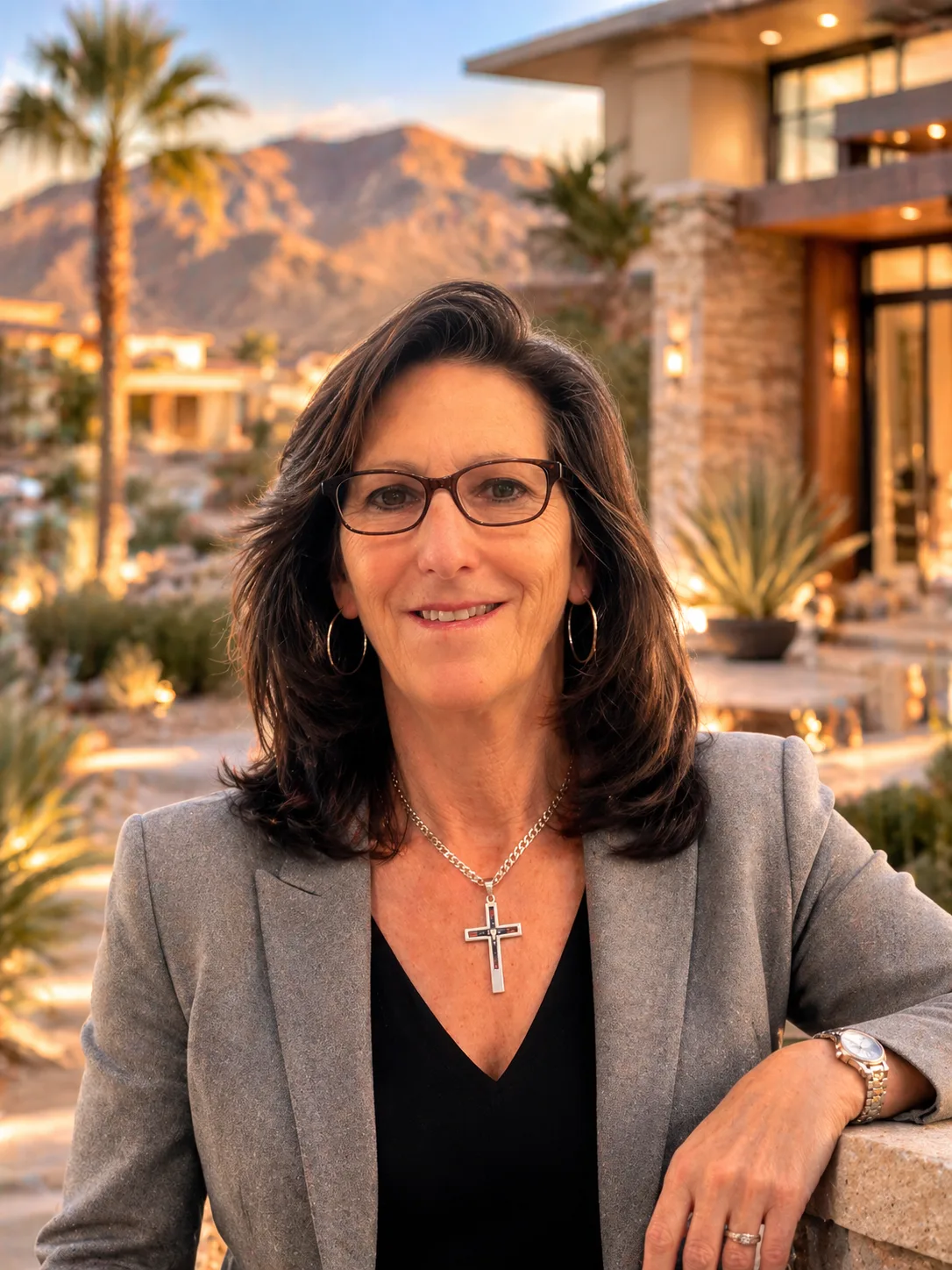
Written by
Sandy Margolin
REALTOR · Certified AI Agent · 36+ years in Las Vegas real estate · Former Appraiser · Nevada license S.0072707.
More about SandyWant the answer for your situation?
The article reads the general rules. A conversation reads your numbers and your own closing disclosure.