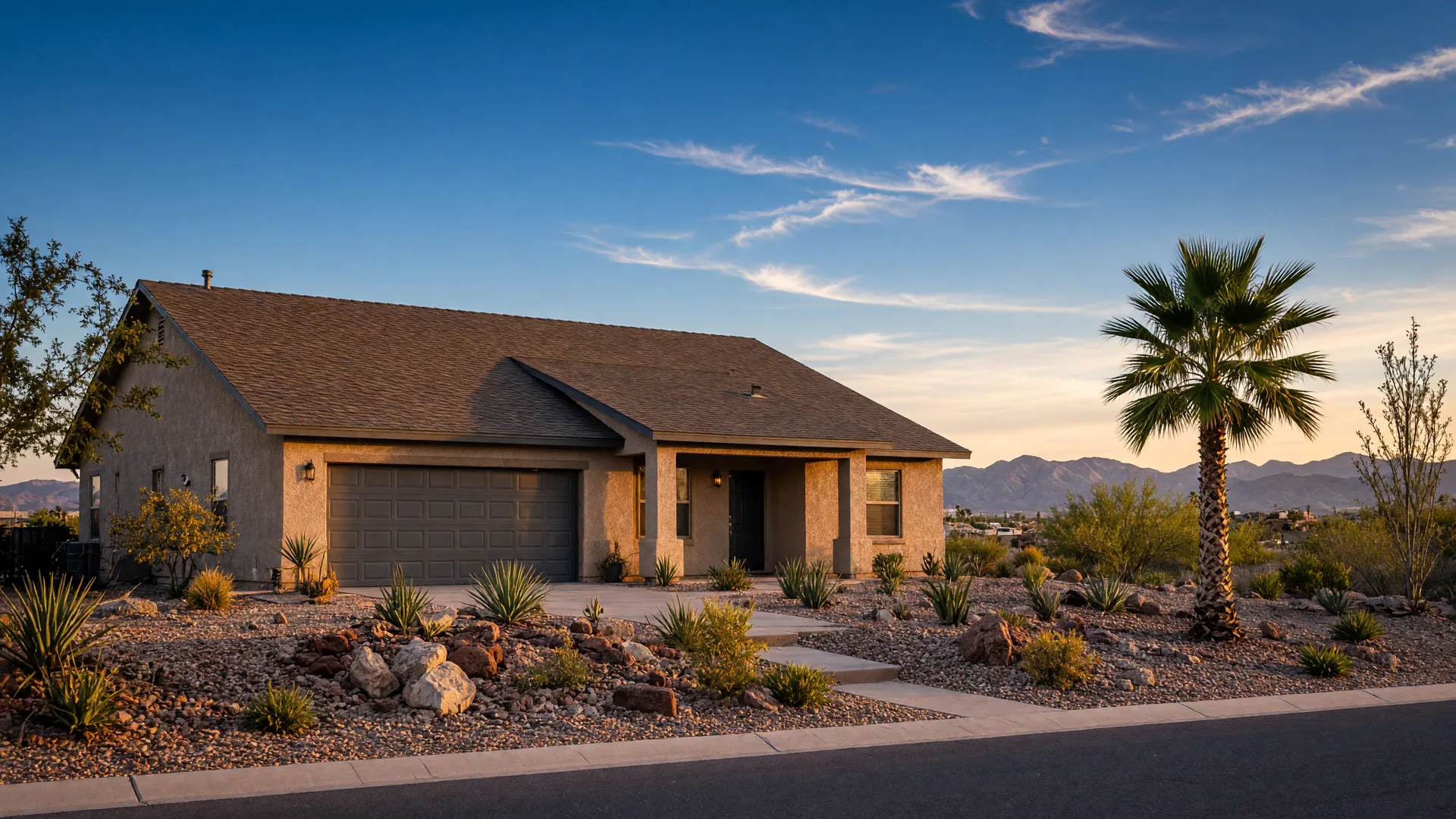
10 Most Expensive Repairs to Prepare For
After more than 36 years in real estate, including roughly twenty years earlier in my career as a licensed residential appraiser, I have priced, inspected and sold enough homes to know which repairs scare buyers and which ones just need a straight answer. This guide walks through the ten big-ticket repairs that most often come up in a Las Vegas Valley home sale, and how to think about them before they become a problem at the negotiating table. No scare tactics, just the plain-English way to decide between repair, disclose and credit.
The house you've lived in for years is about to be judged in one afternoon
Most sellers do not think about repairs until a buyer's inspector hands them a report. By then the conversation is already about negotiations, deadlines and who pays, and you are reacting instead of planning. That is backwards. The cheap way to handle big-ticket repairs is to find out about them before the house goes on the market, while you still control the information and the timeline.
The ten items below are the ones that come up most often in Las Vegas Valley home sales: roof, HVAC, plumbing, electrical, foundation, windows and doors, stucco, pools, sewer lines, and the everyday appliances and garage doors buyers actually touch. For each one I explain what typically goes wrong, why buyers and inspectors focus on it, and how a seller decides between repairing it, disclosing it, or crediting the buyer.
This guide stays general on purpose. I am not going to quote you repair costs or market numbers, because they vary by home, contractor and market, and an invented figure helps no one. What does not change is the discipline of finding out the real condition, getting real bids and putting the truth on the table.
The repairs, and how to think about each one
Read these before you list, and treat them as a planning tool, not a worry list. For every item the goal is the same: know the real condition, get a real bid when there is any question, and then choose the path that fits your situation. Repairing, disclosing and crediting are all legitimate. The only wrong move is not knowing which one applies to you.
- 01
Roof and roofing components
The roof is the largest single surface a buyer can see, which is why it draws so much attention. The desert sun is hard on roofing: years of heat and UV age materials faster here than in milder climates, and worn flashing, cracked boots around pipes and granules collecting in the gutters are the kinds of findings inspectors put in writing. Buyers focus on the roof because they know replacement is a major bill, and an inspection report that says "near the end of its service life" becomes a negotiation point whether you like it or not. The fix is to find out what the roof actually has left: have a licensed roofer look at it, get a real bid if work is needed, and then decide whether to repair it, disclose its age and condition up front, or offer a credit so the buyer can handle it on their own terms. An honest answer with a real number behind it beats an argument with a buyer's inspector every time.
- 02
HVAC systems
In Las Vegas, air conditioning is not a comfort feature. It is what makes a home livable, and the system runs so much of the year that it works harder and ages faster here than in almost any other market. Inspectors always note the age and condition of the unit, and buyers know a tired system means an expensive replacement somewhere in the near future. The decision is usually straightforward once you have the facts: a system in good repair is simply disclosed and maintained, while one that is clearly near the end of its life is either replaced before listing or priced and credited accordingly. Have a licensed HVAC contractor service it, test it in both heating and cooling, and put the real condition on paper before buyers start asking.
- 03
Plumbing and water heaters
The plumbing is mostly hidden, which is exactly why it concerns buyers. Leaks, low pressure, corroded connections and an aging water heater all show up on inspection, and in slab-built Las Vegas homes a supply line under the slab can turn a simple leak into a project that involves cutting concrete and repairing whatever the water touched. A water heater is one of the most common repair topics in a home sale because it is a wear item with a clear end, and inspectors always report its age. Start by testing everything: run every fixture, look under sinks, and check the water heater's age and condition. Then get a plumber's bid for anything questionable, and from there repair what is tired, disclose what is old but functional, or credit the buyer so they can upgrade on their own timeline.
- 04
Electrical panels and wiring
Electrical work is governed by code for good reason, and an outdated panel or wiring type can fail an inspection, complicate insurance and make buyers nervous in ways they cannot always articulate. Inspectors look for panels that are dated, overloaded or improperly modified, and those findings tend to come back as repair requests. The honest move is to have a licensed electrician inspect the panel and wiring before you list, fix what is unsafe and disclose anything of note. Electrical work is specialized and often permitted work that can involve coordinating with the utility, so the real bid from a licensed electrician, rather than a guess, is what tells you whether this is a repair, a credit or a non-issue.
- 05
Foundation and structural issues
This is the one that worries buyers most, because it sounds worse than anything else on this list and because the fix can be significant. In the Las Vegas Valley, expansive desert soils that swell and shrink with moisture are common, which is why drainage and watering near the foundation get so much attention here. Stair-step cracks, doors that stick and floors that slope are the signs inspectors and appraisers take seriously, while hairline cracks are often cosmetic. If there is any question, have a structural engineer or a qualified foundation contractor look at it and give you a written opinion. Sometimes the answer is a repair, sometimes it is disclosure of the report, and sometimes it is nothing at all. The certainty of a professional opinion protects you far better than hoping no one notices.
- 06
Windows and doors
Windows and doors are a big-surface, big-labor item, and in a desert climate they also carry energy performance expectations. Failed seals between double-pane glass, worn frames and doors that stick or leak air all show up in a walkthrough and in an inspection. Buyers notice drafty windows and fogged glass quickly, because they translate directly into comfort and utility bills. The decision comes down to condition and volume: a door or two that needs adjustment is a quick repair, while a house full of failing windows is a credit conversation or a pre-listing project. Walk every window and door with a critical eye, get a bid for the ones that matter, and let the number decide.
- 07
Stucco and exterior siding
In Las Vegas, stucco is the skin of most homes, and it takes a beating from sun, wind and the occasional monsoon. Cracks, chips and areas where moisture may have gotten behind the surface are what inspectors look for, because what is behind the stucco can matter more than the surface itself. Buyers read the exterior as a report card on how the whole home was maintained. The practical approach is to patch what is damaged, touch up the paint where it is worn, and have a contractor look at anything that suggests moisture intrusion. Small exterior repairs are some of the highest-value work a seller can do, because they are visible to every buyer from the driveway.
- 08
Pools and pool equipment
Pools are common enough in Las Vegas that they rarely scare buyers, but they absolutely come up in negotiations. Worn pumps, failing heaters, cracked plaster and equipment that leaks or runs loudly all surface in inspections, and buyers know pool equipment is not inexpensive to replace. The key is the same as with everything else: know the real condition before the offer arrives. Have the pool serviced, test the equipment and get a bid for anything worn. A pool that works well is a selling point, while a pool with known problems is a credit or a repair request waiting to happen. Honest disclosure of the age and condition of the pool and its equipment keeps the conversation about the house instead of the filter pump.
- 09
Sewer lines and septic
The sewer line is out of sight and out of mind until it becomes a problem, which makes it one of the more surprising items on this list. Roots, shifting soil and age can all affect the line that carries waste from the house to the street, and because almost all of it is buried, buyers cannot see it and inspectors cannot always test it. On older homes, a camera inspection of the sewer line is a common request or contingency, and it is a reasonable one. If you already know the line is older or has had issues, having it camera-scanned and then fixing or disclosing what is found is far better than finding out during the buyer's due diligence. A clean line with documentation is a quiet win for a seller.
- 10
Major appliances and garage door failures
These are the smallest items on this list individually, but they are the ones every buyer touches and tests. The garage door opener that strains, a range, dishwasher or disposal that does not work, a washer hookup that leaks: all of it gets opened, started and poked during a showing and an inspection. These are also the easiest and cheapest to fix, which is why leaving them broken reads as neglect rather than a money problem. A short list of small repairs with real bids behind them closes the biggest gap between how the home lives and how it shows. And a working garage door matters more than most sellers think, because in many Las Vegas homes it is the entrance everyone actually uses.
Three habits that protect a seller
Get real bids, not guesses
The single most useful thing you can do is turn every suspicion into a written bid from a licensed contractor. A bid converts a vague fear into a number you can plan around, and it gives you the evidence to decide between repair, disclose and credit. Guessing at costs is how sellers either overpay for work or undersell the problem.
Consider a pre-listing inspection
A pre-listing inspection is the closest thing real estate has to a head start for sellers. You find out what an inspector will say before a buyer pays for their own report, and you control what happens with the information. Some findings you will fix, some you will disclose, and some you will simply price for. Knowing the list in advance means no surprises at the negotiating table.
Disclose honestly and early
Nevada has disclosure requirements, and honest disclosure protects you twice: it fulfills your obligation, and it takes the argument off the table. Buyers rarely walk away from a disclosed issue they priced for. They walk away from surprises. My years as a licensed residential appraiser taught me that the evidence, presented plainly, is always the safest position to be in.
The thread that runs through all ten items is the one I have carried from my appraisal years to today: look at the evidence, understand what it means, then decide. A seller who does that rarely gets ambushed at the negotiating table. The repairs might still show up in an inspection, but they will show up as something you already knew about, already priced for, and already decided how to handle.
The goal is a sale without surprises, not a house with none of its problems acknowledged
For more than 36 years, my approach has been the same: educate first, communicate clearly, negotiate intelligently and protect my client's interests. My years as a licensed residential appraiser taught me to read condition the way lenders and appraisers do, and to tell a seller plainly what the evidence says instead of what they hoped to hear.
I am not going to tell you that every repair on this list needs fixing, or that any of them should keep you from selling. That is not the point. The point is to know where you stand before a buyer does, so the transaction runs on facts instead of friction. That is how you keep the money you earned from the sale, and it is the conversation I would want someone to have with me.
Next resources
The repair, clean-up and presentation work that makes a home show at its best for the buyers who arrive.
Read it Home appraisals for sellersHow appraisers and lenders really look at a home's condition, and why honest condition reporting matters.
Read it How to price your home to sellWhy the starting price matters more than almost anything else, and how the comparables set a number that works.
Read itLet's look at what the market is actually telling us
If you are thinking about selling, the best time to talk about your home's repairs and condition is before the for-sale sign goes up, not after a buyer's inspection report lands. I will walk your home and your numbers the way I would want someone to do for me: an honest look at the condition, the real bids, the disclosure questions and what you can realistically walk away with. No pressure, no games, just the evidence, my experience and a clear next step.
Licensed in Nevada · Sales Person S.0072707 · Equal Housing Opportunity
Disclaimer: By providing your information, you agree to receive communications from Sandy Margolin. Message and data rates may apply. If the property is listed with another REALTOR® or Broker, please disregard. Information deemed reliable but not guaranteed.