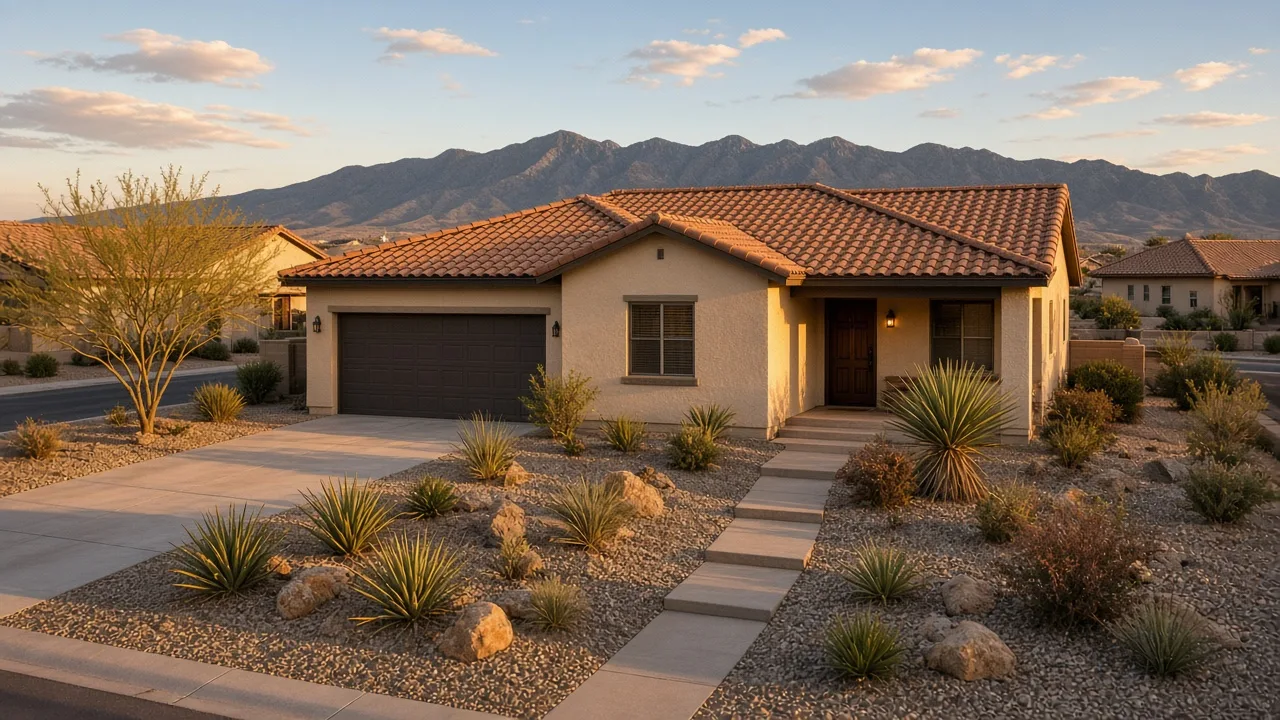
15 Things New Homeowners Should Know
Fifteen practical things to know in your first year as a homeowner, written the way I would tell a client: straight, plain English, no fluff. Some of these you can knock out in an afternoon. A few will save you real money and real stress later.
The first year is where it is decided
Buying the house is one thing. Living in it well is another, and the first year is where most of the important habits get set: how you budget, what you maintain, who you call, and how quickly you catch a small problem before it becomes a big one. After more than 36 years in real estate, including my years as a licensed residential appraiser, I have walked through thousands of homes, and I can tell you the ones that age well were almost always handled well in year one.
This list stays general on purpose. I am not going to hand you dollar figures or tax rates, because those change and every home is different. What does not change is the discipline: know your numbers, read your paperwork, maintain the house on schedule, and build your list of trusted people before you need them.
If you are buying soon, read this guide now and keep it. If you closed recently, it is a handy checklist for your first twelve months. Either way, none of it is complicated, and all of it protects the biggest purchase most people ever make.
The list, for your first twelve months
Some of these you can finish in an afternoon, like changing the locks and finding the shut-off valves. Others are habits, like the maintenance budget and the emergency fund. All of them are worth starting early, because the first year sets the pattern for every year that follows.
- 01
Set up the utilities and insurance before you move in
The week before closing is the right time to turn on the basics: power, water, gas, trash and internet. Your homeowners insurance needs to be active the day you take ownership, not the day you remember to call. Walk through your settlement statement to see what was handled at closing, then confirm the policy is in place before you take the keys. It is an hour of phone calls that saves a very stressful first night in an empty house.
- 02
Know the ongoing numbers, not just the price
The mortgage payment is only part of the monthly picture. Property taxes and homeowners insurance come with ownership, whether they ride inside your mortgage payment through escrow or you pay them directly. In Las Vegas the county sets the tax bill, and when a home changes hands the assessed value can change with it, so what the previous owner paid is not necessarily what you will pay. Ask your lender exactly what your payment includes, and budget for the fact that taxes and insurance can move from year to year.
- 03
Build a maintenance budget from month one
Every house needs money spent on it every year, and the homes that get that money look and behave differently than the ones that do not. As an appraiser, I could usually tell the difference from the street. Set aside something every month, even a modest amount, so small repairs get handled while they are small. A home cared for steadily protects its value far better than one that waits for a big catch-up bill.
- 04
Read what your HOA actually expects
If your new home sits in a Las Vegas master-planned community or a 55+ community, the HOA is part of your life from day one. Read the governing documents, know the dues and how often they can change, and understand the approval process for anything you plan to do to the exterior. Ask about the reserve fund too: an association that saves for big repairs is far less likely to hit you with a special assessment later. The rules are not a surprise once you read them; they only become one when you do not.
- 05
Find the shut-off valves and the breaker panel now
The best time to learn where your main water shut-off, water heater valve and breaker panel are is a calm Saturday afternoon, not during a leak. Show your family, label what you can, and know who to call if something bursts. Ten minutes of orientation now can turn a potential emergency into a small repair.
- 06
Keep an emergency fund for the house
Homeownership means surprises, and the expensive ones often arrive in summer, when Las Vegas heat makes air conditioning a health issue, not a comfort issue. A separate savings cushion for the house, on top of your everyday emergency fund, means a failed system is a phone call and a repair instead of a financial crisis. You do not need a big number to start; you need a habit of adding to it.
- 07
Learn the desert rhythm of your house
Las Vegas weather is extreme in both directions: unsparing summer heat, and occasional cold snaps, wind and monsoon storms. Change HVAC filters on schedule, keep direct sun off the house where you can, check seals and caulking, and look at the roof and drainage after a big wind or rain event. A desert home rewards the owner who thinks about the seasons instead of assuming nothing changes.
- 08
Know what your warranties do and do not cover
New construction usually comes with builder warranties, and appliances and systems carry their own manufacturer warranties. Read the coverage period and the exclusions: most warranties do not cover normal wear and tear, pre-existing conditions or damage from lack of maintenance. A warranty is protection, not a maintenance plan. Keep the paperwork together so you actually use the coverage before it expires.
- 09
Do not defer maintenance, ever
From my years as an appraiser, the pattern I saw most often was small problems left alone until they became big ones. A slow leak stains a ceiling, then wets a wall, then becomes a much bigger conversation. Deferred maintenance is the quietest way to lose value in a home. Fix small things while they are small, and you protect both your peace of mind and your resale position.
- 10
Build a relationship with a trusted local contractor before you need one
Nobody interviews contractors well in the middle of an emergency. Ask your new neighbors who they use, get two or three bids for anything significant, and verify licensing and insurance before you hire. A contractor you already know and trust is worth more than a great deal found in a panic. Start with something small, a repair or a tune-up, so you learn how they communicate before the stakes are high.
- 11
Change the locks and the codes
You do not know how many keys to your new home are floating around, so rekey the locks or install new ones, and reset the garage door codes, smart locks and any security passcodes. It is inexpensive, fast, and one of the simplest things you can do to make the place genuinely yours on day one.
- 12
Walk the property after rain and wind
The desert floods and the desert winds blow. After a monsoon storm, walk the perimeter: check that water drains away from the foundation, look at the roof for lifted tiles or shingles, and clear the yard of anything that could become a projectile. Grading and drainage quietly decide how many repair bills you see over the years, and a fifteen-minute walk after a storm tells you a lot about both.
- 13
Set up a home file from day one
Keep the purchase paperwork, warranty documents, appliance manuals, receipts for improvements and the insurance policy in one place you can actually find. When something breaks, you will know what is covered and what you paid for it. When you eventually sell, that same file shows a buyer, an appraiser and a lender a home that was cared for and documented. Future you will be grateful.
- 14
Meet your neighbors and learn your community
The fastest way to feel at home is to know the people around you. Introduce yourself, find out who is on the HOA board and when meetings happen, locate the nearest services and the good local spots. A house becomes a home through the network around it, and neighbors are also the first line of help when something goes sideways.
- 15
Give yourself a year before you judge the decision
Home values move month to month, and online estimates ping up and down for reasons that often have nothing to do with your house. In year one, focus on what you control: condition, maintenance and how the home fits your life. A home that is cared for and lived in tends to hold and build its value over time. That is the long game, and it is the one that matters.
The thread that runs through all fifteen is the one I carried from my appraisal years to today: a home keeps its value when it is understood, maintained and lived in deliberately. That is how you make your first year a good one, and your home a good investment at the same time.
Next resources
A calm, step-by-step guide to buying your first Las Vegas home, from pre-approval through closing.
Read it Homeowners insurance basicsWhat a policy generally covers, what it does not, and the Las Vegas considerations.
Read it The full buying guideThe whole how-to-buy sequence, from pre-approval to closing, step by step.
Read itYour first year, with someone who has seen it all
Whether you are getting ready to buy your first home or already unpacking boxes, you do not have to figure this out alone. I have walked buyers through the whole process for more than 36 years, and I will tell you the truth about the numbers, the neighborhood and what to expect next, even when the truth is not the easy answer. Call or email me, or start with the first-time buyer guide below.
Licensed in Nevada · Sales Person S.0072707 · Equal Housing Opportunity
Disclaimer: By providing your information, you agree to receive communications from Sandy Margolin. Message and data rates may apply. If the property is listed with another REALTOR® or Broker, please disregard. Information deemed reliable but not guaranteed.