25 Factors That Impact Your Home Value
A plain-English tour of the twenty-five things I weigh when I evaluate a home in the Las Vegas Valley, from my years as a licensed residential real estate appraiser. This is the inventory I work from before I talk about pricing, listing or strategy, and it is the reason I talk about evidence instead of feelings.
What fair market value actually means
Fair market value sounds like a formal term, but it describes something practical: the price a willing buyer and a willing seller would agree on, neither one under pressure, both acting on the available information. The roughly twenty years I spent as a licensed residential appraiser were mostly spent trying to answer exactly that question, and I learned that the answer never comes from a formula. It comes from evidence.
Here is the honest part. Your home sits in a market, and the market leaves a trail: what similar homes actually sold for, how long they sat, what buyers chose over them and what they passed on. Reading that trail instead of hoping is the whole discipline of valuation. A strong market can make an average home look great. A soft one can make a good home sit. Neither is a comment on whether your home is wonderful. It is simply what the evidence shows.
That is why this whole exercise comes down to one sentence: valuation is about evidence, not wishes or feelings. This guide walks through the twenty-five factors I actually weigh, in plain English, so you can see how the number gets built and what questions are worth asking about your own home.
The factors, as I actually weigh them
No single factor decides a value; they work together. Some matter more than others depending on where the home sits and who is buying, and the relative weight shifts as the market changes. What does not shift is the discipline of looking at each one honestly, and letting the evidence carry the conversation.
- 01
Location and neighborhood
The neighborhood sets the table for everything else. Two homes on the same floor plan can be worth very different amounts a mile apart. I look at the character of the street, the mix of homes, the upkeep around you and how the immediate area is seen by buyers. You can change a kitchen. It is much harder to change a neighborhood.
- 02
The home's size and usable square footage
Size matters, but usable size matters more. An appraiser measures what is livable and counts it consistently: heated and cooled living space, not garages, patios or storage rooms. Two homes can report similar square footage and measure very differently, and that difference shows up in value.
- 03
The number of bedrooms and bathrooms
Bedrooms and bathrooms are how buyers sort the market, and the market prices them. A three-bedroom home and a four-bedroom home in the same neighborhood are often compared in different buyer pools, which is why this simple number carries real weight.
- 04
Lot size, shape and orientation
The lot is part of the purchase. A larger usable lot with privacy, a good shape and sensible grading is worth more than a narrow sliver with drainage problems. Orientation matters under the Las Vegas sun: how the home faces changes afternoon heat, natural light and the comfort of the outdoor space.
- 05
The age of the home
Year built tells buyers what kind of construction, systems and layout to expect. Age alone is not a penalty. A well-cared-for older home can easily out-value a neglected newer one. What age does is set expectations, and the market prices those expectations.
- 06
Condition and maintenance history
Condition is where a lot of value is won or lost. A home that has been maintained inside and out, with working systems and no pile of deferred repairs, reads clearly to buyers and to appraisers. The reverse is just as visible. The market discounts what it thinks it will have to fix.
- 07
Upgrades, finishes and renovations
Updates matter, but they matter most when they fit the neighborhood. A fully renovated kitchen can add real value in a home where buyers expect it, and add very little in one where buyers will not pay for it. I also look at the quality of the work and whether it was done with permits, because the market notices both.
- 08
Floor plan and flow
A layout that fits the way people actually live is worth more than one that does not. Bedroom placement, kitchen-to-great-room flow, wasted hallways, awkward room sizes: these are the details buyers react to in the first ten minutes, and they follow the home through every resale after that.
- 09
Outdoor space and landscaping
In the desert, usable outdoor space is a real feature. A private patio, a shaded yard, low-water landscaping that is kept up, a pool that is clean and functional: buyers pay attention to all of it. Neglected landscaping reads as work, and the market prices in the work.
- 10
The view
Views are a Las Vegas specialty: mountains, the Strip at night, golf courses, city lights. A view can lift value meaningfully, and it can also shrink the buyer pool by commanding a premium only some buyers will pay. I look at whether the view is permanent and protected, or whether it depends on what happens next door.
- 11
Garage and parking
Garage space and parking are quiet value drivers. A two-car garage with room to actually open the doors, an RV gate, a long driveway in a neighborhood where street parking is tight: these are details that show up in neighborhood competition and in the resale conversation.
- 12
The schools, where they matter
For buyers with children, the school district and the specific schools a home feeds into influence both who looks and what they will pay. Strong schools widen the buyer pool. Where that matters, I help clients understand the assignment honestly rather than guess about it.
- 13
Commute and daily accessibility
Drive times to work, the airport, the freeway, medical care and everyday needs shape who can buy a home and what they will pay for it. A twenty-minute difference in commute can change the buyer pool entirely, and the buyer pool is what sets the value.
- 14
Community amenities and the HOA
The association is part of the purchase. Amenities, dues, rules, reserves and special assessments all factor in. Buyers weigh what they get for the HOA payment, and appraisers weigh what the market pays for homes inside and outside the same association.
- 15
Recent comparable sales
This is the heart of it. The strongest evidence of value is what genuinely similar homes sold for recently, nearby, adjusted for the differences between them. Which sales are truly comparable, and which are not, is where valuation expertise shows up. A sale that looks similar on paper can be very different in condition, view or terms.
- 16
Days on market and market conditions
How long homes sit tells a story about the market around your home. When good homes sell quickly, the market is absorbing what is listed. When homes sit, price or condition is usually out of step. Timing, rates and buyer confidence all shape that picture in any given season.
- 17
The relationship between list price and sale price
What homes are listed for versus what they actually sell for shows the gap between asking and reality. When homes sell below list, buyers hold the leverage. When they sell at or above, sellers do. Either way, the trend of actual sale prices matters more than any single asking price, including your own.
- 18
Pending and expired listings
Pending sales show what is moving and at what price, even before it closes. Expired listings show what did not sell, and they are honest teachers: a home that expired usually tells you something about its price, condition or marketing. I read both, because each one is evidence about the market right now.
- 19
Supply and demand in the immediate area
The balance of homes for sale against active buyers in the immediate area sets the tone for every price in it. More inventory than buyers, prices soften. Fewer homes than buyers, competition does the work. The neighborhood-level picture matters more than any countywide headline.
- 20
What buyers in that area actually pay extra for
Every pocket of the valley has its own preferences. In one area buyers pay for a casita or an extra garage bay; in another they pay for a great view or a resort-style backyard. I watch what the local buyer pool actually rewards, because a feature worth nothing in one neighborhood can be the difference in another.
- 21
Curb appeal and first impression
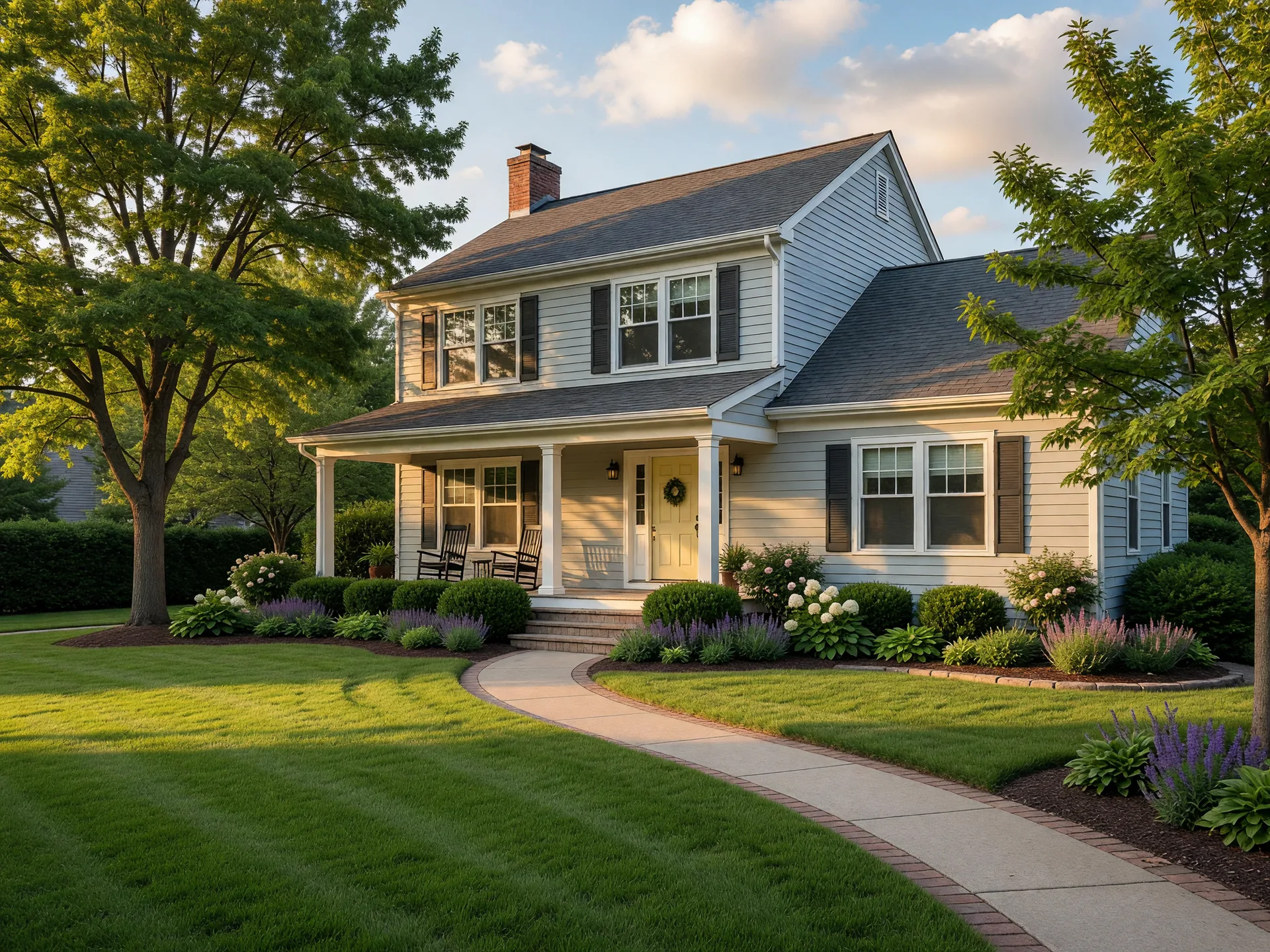
The first glance is not shallow; it is the market working. A home that photographs well and presents cleanly from the street attracts more showings, and more showings mean more demand. Curb appeal is not about expensive landscaping. It is about looking cared for.
- 22
Functional obsolescence
That is the appraiser's word for a layout the market has moved past: the kitchen cut off from the family room, the bedroom that only works as an office, the floor plan that no longer fits how people live. Functional obsolescence is a real drag on value, and it is different from physical wear. The fix is often a matter of design, not dollars.
- 23
Deferred maintenance
Repairs that were put off do not disappear; they show up in value. A roof near the end of its life, an aging HVAC, windows that do not perform, a sagging fence: buyers and their inspectors find these, and the price adjusts. My straight advice is that fixing the list is usually cheaper than the discount buyers will ask for.
- 24
How the home measures up against its own neighborhood
Because comparable sales are the core, I always ask: is this home stronger or weaker than its neighbors? A home with a larger lot, better condition or better upgrades than the norm anchors differently in the analysis. Appraising is, at heart, comparing your home to the market around it and adjusting for the differences.
- 25
Tax value, insurance value and market value
Three numbers, three different jobs. The assessor's tax value is about how the county spreads property taxes. The insurance value is about what it would cost to rebuild. The market value is what a buyer would actually pay on the open market. People mix them up all the time, and the difference matters, because none of the three automatically tells you what your home would sell for.
Notice what is not on that list: wishes, feelings, what your neighbor told you theirs is worth, or what you hope the market does next. The value of your home is built from evidence, and the good news is that evidence is something we can actually sit down and look at together.
Next resources
The appraiser-grade method behind my pricing, translated into plain English.
Read it Home AppraisalsWhat an appraisal actually is, how to prepare, and what to do when the number comes in.
Read it Pricing from EvidenceHow a defensible list price is built from sales and market data, not hope.
Read itLet's look at what the market is actually telling us
Your home is not a number on a screen, and the value conversation is not about what you hope. It is about what the evidence shows: real comparable sales, real condition, real market behavior, translated into a number you can plan around. That is the conversation I have with sellers, and it is the one my appraisal background prepared me for. Call or email, and we will start there. No pressure and no scripts, just the straight read, even if the honest answer is not the one you expected.
Licensed in Nevada · Sales Person S.0072707 · Equal Housing Opportunity
Disclaimer: By providing your information, you agree to receive communications from Sandy Margolin. Message and data rates may apply. If the property is listed with another REALTOR® or Broker, please disregard. Information deemed reliable but not guaranteed.