Home Inspections: What
They Cover and What Happens Next
A home inspection is one of the most valuable safeguards in a home purchase: an independent, expert look at the condition of the home, so you know what you are really buying before you commit. This guide walks you through what it covers, who pays, how to read the report and exactly what happens next.
A safeguard, not a report card
Here is the honest framing most people wish someone had given them earlier: a home inspection is an independent, expert look at the condition of a home, so the buyer knows what they are really buying before they commit. It is not a pass-fail grade, and it is not a wish list of every nice-to-have. It is a tool for an informed decision.
A house does not have to be perfect to pass an inspection. In fact, almost every used home will show something the previous owner never fixed, a system nearing the end of its normal life, or a small issue hidden behind the finish. That is expected. What an inspection tells you is what is genuinely wrong, how much it may matter, and what it might cost, so you can decide with your eyes open.
I want to be straight with you about one thing too: I spent part of my career as a licensed residential appraiser, so I know the difference between what a house is worth and what is actually wrong with it. Both matter, in different ways, and an inspection is the place where condition gets its honest look.
What an inspection actually covers
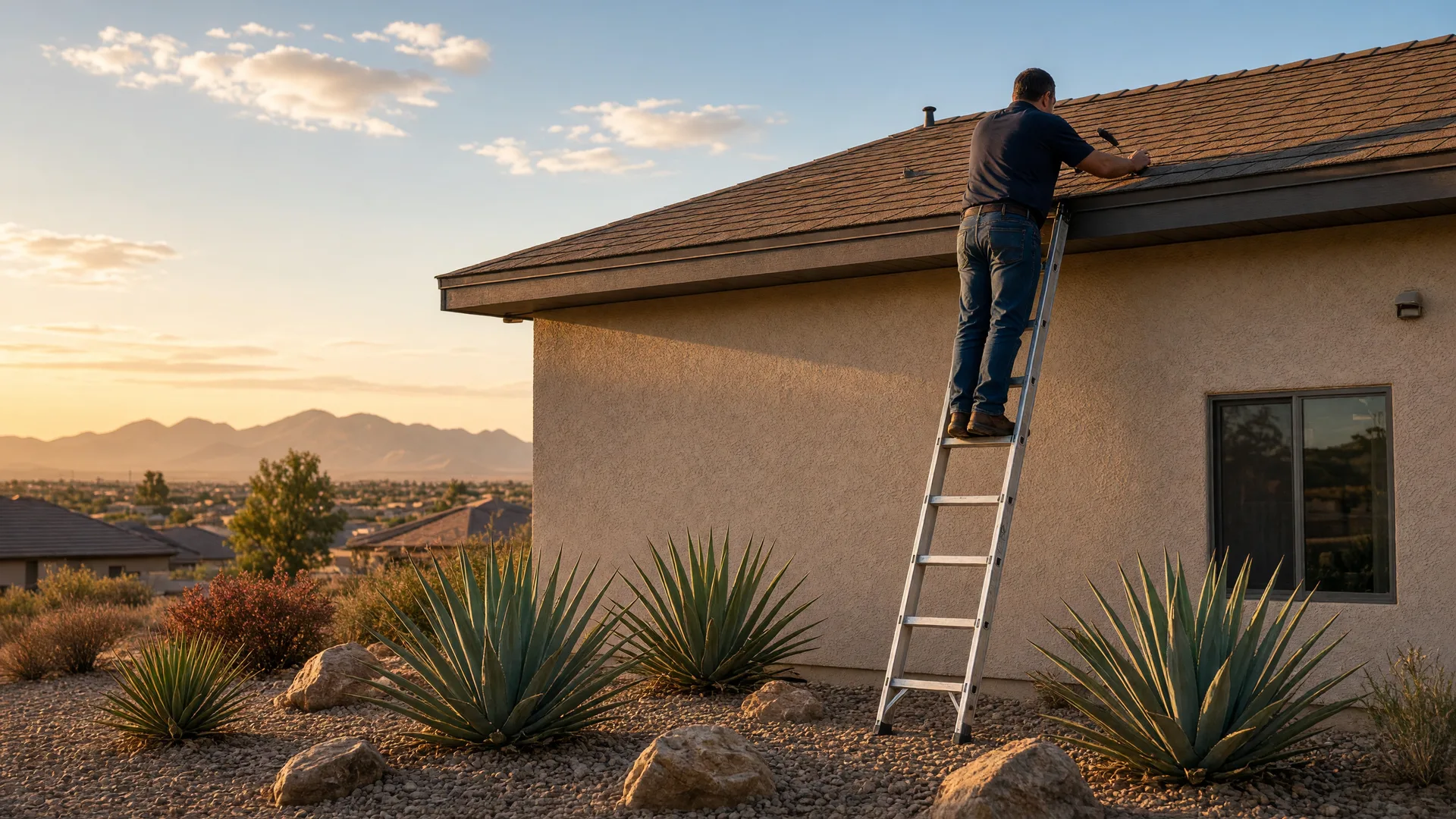
A home inspector works through the visible, safely accessible systems that a buyer cannot easily evaluate on their own. The report is a condition check, not a renovation plan. Here is the short version of what gets looked at.
Roof and structure
The roof covering, flashing, gutters and visible framing, plus the foundation, crawl space and overall structure. The inspector looks for material defects, signs of leakage and things that could get expensive fast.
Exterior and interior
The siding, windows, doors, porches and the general visible condition of the rooms inside. A general read, not a line-by-line finish inspection, but enough to flag obvious problems.
Heating and cooling
The furnace and air conditioning, including the age, basic operation and obvious safety issues such as a cracked heat exchanger in a gas furnace.
Plumbing
The visible piping, water heater, drainage, fixtures and signs of leaks. Everything the inspector can see and safely reach.
Electrical
The panel, visible wiring, outlets, grounding and anything that looks unsafe. What can be examined without taking the house apart.
Attic, insulation and ventilation
The attic for roof framing and leaks, plus insulation levels and ventilation. The inspector notes what is present and what is plainly deficient.
Major systems overall
A read on how the big systems are holding up together. The goal is to identify real problems, not the cost of running a brand-new home.
What an inspection does not do
- It is not a code compliance check. Homes built years ago are not held to today's codes, and that is normal.
- It is not an appraisal. An inspection tells you about condition; an appraisal tells you about value.
- It cannot evaluate things that are not visible or that a seller will not allow disturbed, like hidden walls with no access.
- Specialized areas may need separate experts: termite and pest inspection, radon testing, well or septic testing, or equipment like a swimming pool and its heater.
If a specialized issue shows up, the next step is usually a specialized expert, not a guess. That is normal and it is how the process is supposed to work.
Why buyers should get one
A licensed inspector catches what a walkthrough cannot
You might spend forty happy minutes in a home and love every room while a furnace with a cracked heat exchanger, or a slow leak behind a bathroom wall, sits quietly in the background. A trained eye looks for exactly those things.
Small reassurance before a large commitment
An inspection fee is a modest amount compared with the size of the purchase. Spending it to understand what you are really buying is one of the most sensible costs in the whole transaction.
Most contracts build it in as protection
In a typical purchase agreement the sale is contingent on you being satisfied with an inspection. That contingency is there on purpose: you are not asked to close on a home until the condition has been checked.
The exact wording of the contingency lives in your purchase agreement, so read it and ask your agent to walk you through it. The point of the clause is simple: you get to know what you are buying before you are locked in.
Who pays and who picks
In a typical Las Vegas purchase, the buyer chooses the inspector and pays the inspection fee. That fee is a separate, out-of-pocket cost, so it is not part of your down payment or your closing costs. You pay it directly to the inspector after the inspection is done.
Because you are paying for it, you get to choose who does it. I encourage buyers to pick an independent inspector they feel comfortable with and trust, someone who answers questions directly and is not trying to talk a deal along. A neutral set of eyes works in your favor.
A note on steering: if anyone, the seller or an agent, pushes a particular inspector hard, treat it as a red flag. The person who wants to find the truth for you is the person whose interests align with yours, not with the deal. You are entitled to a purchase agreement that lets you hire the inspector you choose.
When the seller should consider one
Sellers can order a pre-listing inspection before the home ever hits the market. Done well, it finds problems upfront so you can fix them on your own schedule, reduce the surprises that show up after an offer, and price the home more accurately from the start.
Some sellers love this because it converts the buyer's inspection from a possible negotiation ambush into a known quantity. The buyer's inspector may still find the same things, but you already know about them and have a plan, which keeps re-negotiation far calmer.
To stay balanced about it: a pre-listing inspection is not right for every home, and it is not a requirement. Sometimes the market does not warrant the extra step, and sometimes a home sells fast as-is without it. It is an option to weigh with your agent, not a rule, and there is no single answer that fits every situation.
Reading the report and what happens after
Reports can look long and scary at first, mostly because they list every small observation. The skill is in sorting what matters.
Major defects and safety issues come first
A failing roof, active leaks, unsafe electrical, a furnace that cannot safely run. These are the items that matter most, and they are what an inspection is really for.
Know the difference between a defect and normal wear
A forty-year-old water heater or worn carpet is wear, not a defect. An inspection report will list plenty of small things. Reading which ones are genuine problems and which are just the cost of owning a house takes a level head.
Three real paths after the report
You can move forward, ask the seller to repair significant items or offer a credit, or back out during the inspection contingency window if the issues are beyond what you are willing to take on.
The honest truth: most deals close. After the report, buyer and seller usually agree on a handful of reasonable fixes or a small credit, and the transaction moves forward. The goal is a fair agreement, not a perfect set of repairs checked off on every single line. If a home turns out to have problems beyond what is covered by earnest money, the inspection contingency is where you have the room to step back.
The appraiser, the inspector,
and the difference
Buyers are often surprised when the inspection and the appraisal say different things about the same house. That is because they are answering different questions, and both are correct.
The inspection asks: is it sound?
An inspector reports on construction, systems and condition: what is broken, unsafe or likely to fail. It is about the physical state of the home.
The appraisal asks: what is it worth?
An appraiser weighs comparable sales, size, location, condition and market behavior to form an opinion of value. It is about the price the market will support.
A home can appraise at full price and still have an issue an inspector flags. Or it can have a real defect and still be worth what you are paying, because the price already reflects it. My appraisal background helps me read both reports together and tell you what each one actually means for your decision.
Next resources
I will help you read the report and negotiate fairly
Whether you are buying your first home, selling one you have owned for decades or simply trying to understand what an inspection really means, I will walk you through every step. I bring a real agent's eye and a licensed appraiser's understanding to the same table, so you know exactly what the findings matter. Call, email, or start with the buying process guide.
Licensed in Nevada · Sales Person S.0072707 · Equal Housing Opportunity
Disclaimer: By providing your information, you agree to receive communications from Sandy Margolin. Message and data rates may apply. If the property is listed with another REALTOR® or Broker, please disregard. Information deemed reliable but not guaranteed.