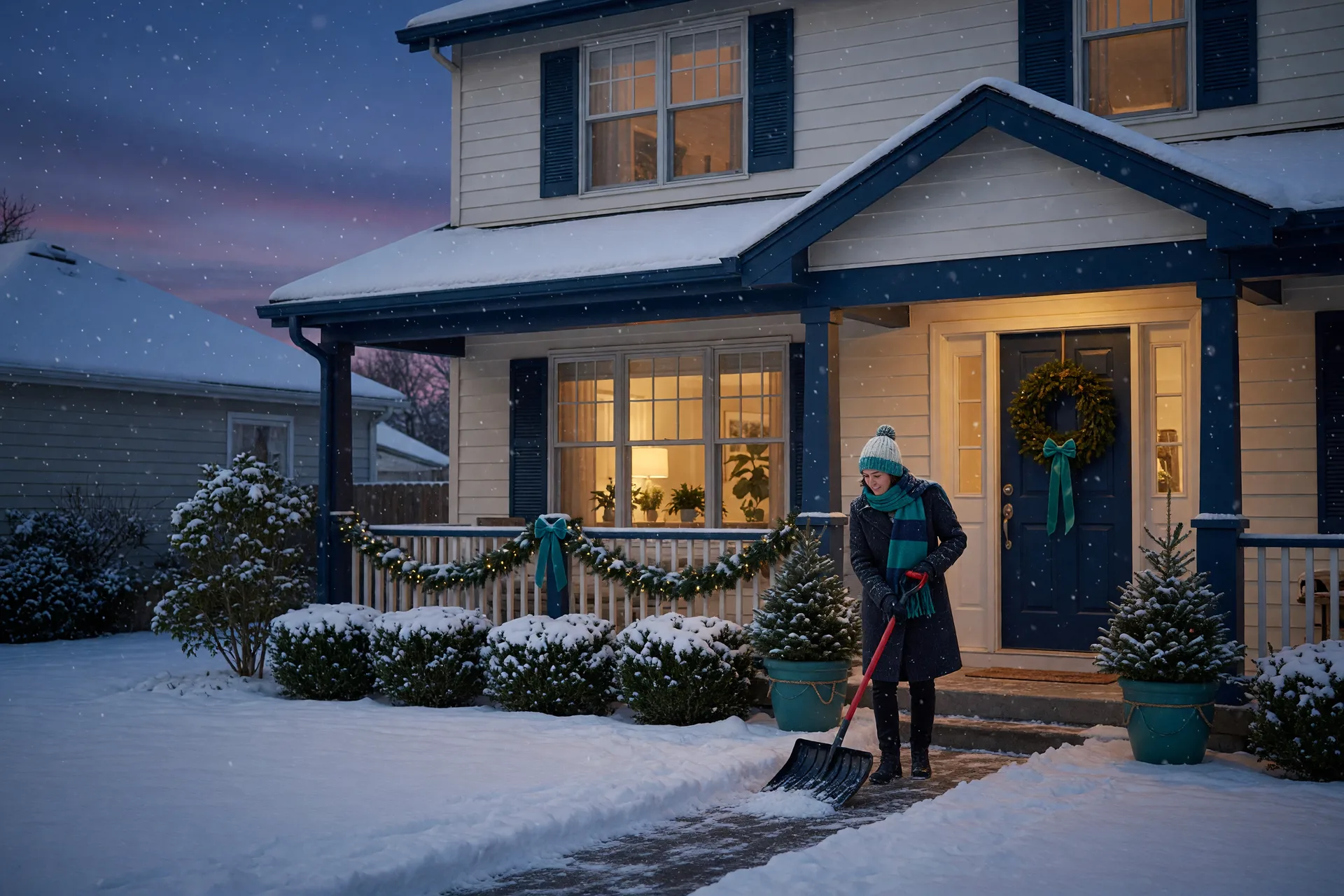
How to Winterize Your Las Vegas Home:
The Practical Checklist
People assume a mild desert winter means there is nothing to do. The truth is a little different: overnight freezes, wind and the dry air all put small pressures on a home, and the homes that handle winter best are the ones whose owners spent an afternoon getting ready. This guide walks you through it, whether you are simply staying put or putting your home on the market.
Winter preparation, in plain English
Here is what most people do not realize about Las Vegas winters: they are mild, yes, but they are not eventless. The overnight lows can dip close to freezing for stretches, the wind can find loose shingles and gates, and the dry air pulls at wood trim and door seals. Add in the wear a hot monsoon season leaves behind, and you have a handful of small, preventable issues waiting on the other side of fall.
The good news is that winterizing a desert home is a short list, not a project. Most of it comes down to checking a few things, replacing a few filters and fixing small problems while they are still small. You are not bracing for a blizzard; you are protecting your home against the modest stresses a Las Vegas winter actually brings.
And if you are planning to sell, think of it this way: buyers walk into a home in the cooler months and read the condition like a story. A home that is tight, warm and clearly maintained tells a different story than one with cold drafts and a pump-turned-off mystery. This checklist sets that story up for you.
A mild winter is still a winter
You do not need an alarm here, just a clear head. Winterizing a Las Vegas home is about protecting against a handful of real, modest weather pressures rather than bracing for severe cold.
It is still a working yard
The lawn may go dormant and the days get shorter, but wind, frost and brief freezes can still find exposed plumbing, tender plants and loose trim. A little seasonal attention is inexpensive insurance.
The wind is real
Desert wind gusts can test a roof, rattle a gate and send branches across a yard. Checking for anything loose on the exterior before the wind does is the whole game.
Overnight freezes happen
Winters are mild here, but overnight temperatures can still dip low enough to crack an exposed pipe or stress a water heater. The checklist is short, and it is worth it.
Monsoon season left its mark
Summer storms collect grit in the gutters and wear on seals and paint. Winterizing is a good moment to check on the small damage the monsoon season left behind before it gets bigger.
Dry air is hard on wood
Low humidity can dry out wood trim, doors and window seals. A quick look at these spots in the fall keeps small cracks from becoming noticed problems during a winter showing.
A vacant home needs extra attention
If a home is sitting empty, keep the heat set above freezing, have someone check it regularly, and keep the water flowing or the pipes protected. An empty house gets no one to catch a problem early.
What to check, in order
Take an afternoon and work through this list in the order it is written. You are not doing a remodel, and you are not chasing trouble. You are making sure the home is tight, warm and working before winter arrives.
Heating and filters
Have the HVAC serviced before the first real cold snap and change the filters. A clean, working furnace is what keeps your home comfortable and your utilities reasonable all winter.
Water heater and exposed pipes
Check the water heater for leaks and have it serviced if it has been a while. Insulate any pipes in garages, attics or exterior walls, because a freeze can crack a line you never think about.
Irrigation and pool equipment
Blow out and shut down the irrigation for the season and winterize pool equipment properly. A burst line or a frozen pump in the spring is an expensive discovery.
Roof and gutters
Look up once before winter. Clear gutters of the monsoon-season grit that has collected, and check for loose or missing shingles before wind and rain find them.
Exterior paint and stucco
Walk the exterior and look for peeling paint or cracks in the stucco. Small touch-ups now keep moisture from getting a foothold, and they keep the home looking well kept for showings.
Weatherstripping and doors
Replace worn weatherstripping around doors and windows. The fix is cheap, it cuts drafts, and a door that seals properly feels tight and cared for when buyers visit.
Smoke and carbon monoxide detectors
Test every detector and replace the batteries. This is the kind of quiet maintenance that protects the people inside and tells a buyer this home was looked after.
Landscaping trim-back
Trim back shrubs and trees away from the house and walkways before winter. It keeps branches off the roof and stucco, and it keeps the yard looking tidy through the cooler months.
What a well-maintained home reads like on a winter showing
Buyers in winter are paying attention to a few things they would not think about in July. When a home is warm, bright and draft-free, it feels comfortable, and comfort is part of the sale.
More than that, the outside speaks. A roof and gutters that were cleared after the monsoon, trim that shows no peeling and a heating system with clean filters all send the same quiet message: this home has been maintained. Buyers notice that level of care, and they trust what it implies about everything they cannot see.
My appraiser's eye goes to the same places a careful buyer's does: the condition of the roof, the seals around the doors, whether the heating has clearly been looked after. A winter-ready home takes those questions off the table before anyone asks them.
A pre-listing inspection now, an easier sale later
The cooler months are a good time for a pre-listing inspection, because they tend to surface issues that hide in the heat of summer. Heating systems get tested, seals get checked, and the small things you might have missed become clear before a buyer's inspector finds them first.
Finding a problem in the fall is not bad news. It is information, and it gives you time to fix it calmly instead of negotiating under pressure later. A house that has been inspected and repaired well in advance shows fewer surprises, and fewer surprises usually means a much smoother path to the closing table.
Keep the paperwork. Save the service records for the HVAC, the water heater, the irrigation and the pool, plus receipts for any repairs or seasonal maintenance. When you are selling, that file of documented maintenance is tangible proof to a buyer that the home was cared for, and it answers a lot of questions before they are even asked.
Good documentation and a fresh pre-listing inspection are two of the simplest ways to protect your position. They cost a little time and attention up front, and they take uncertainty off the table for everyone.
Winterizing is simple. Determining your next step can be the real question.
I have spent more than 36 years in Las Vegas real estate, including about 20 years as a licensed residential appraiser, and I have walked through a lot of winter-ready homes. Whether you need advice on preparing your home for the season, help getting it ready to sell, or honest thoughts on whether selling right now makes sense, I am glad to talk it through. No pressure, just a clear read on your options.
Licensed in Nevada · Sales Person S.0072707 · Equal Housing Opportunity
Disclaimer: By providing your information, you agree to receive communications from Sandy Margolin. Message and data rates may apply. If the property is listed with another REALTOR® or Broker, please disregard. Information deemed reliable but not guaranteed.