What Clark County's 5% Price Dip Really Means for Las Vegas Buyers and Sellers
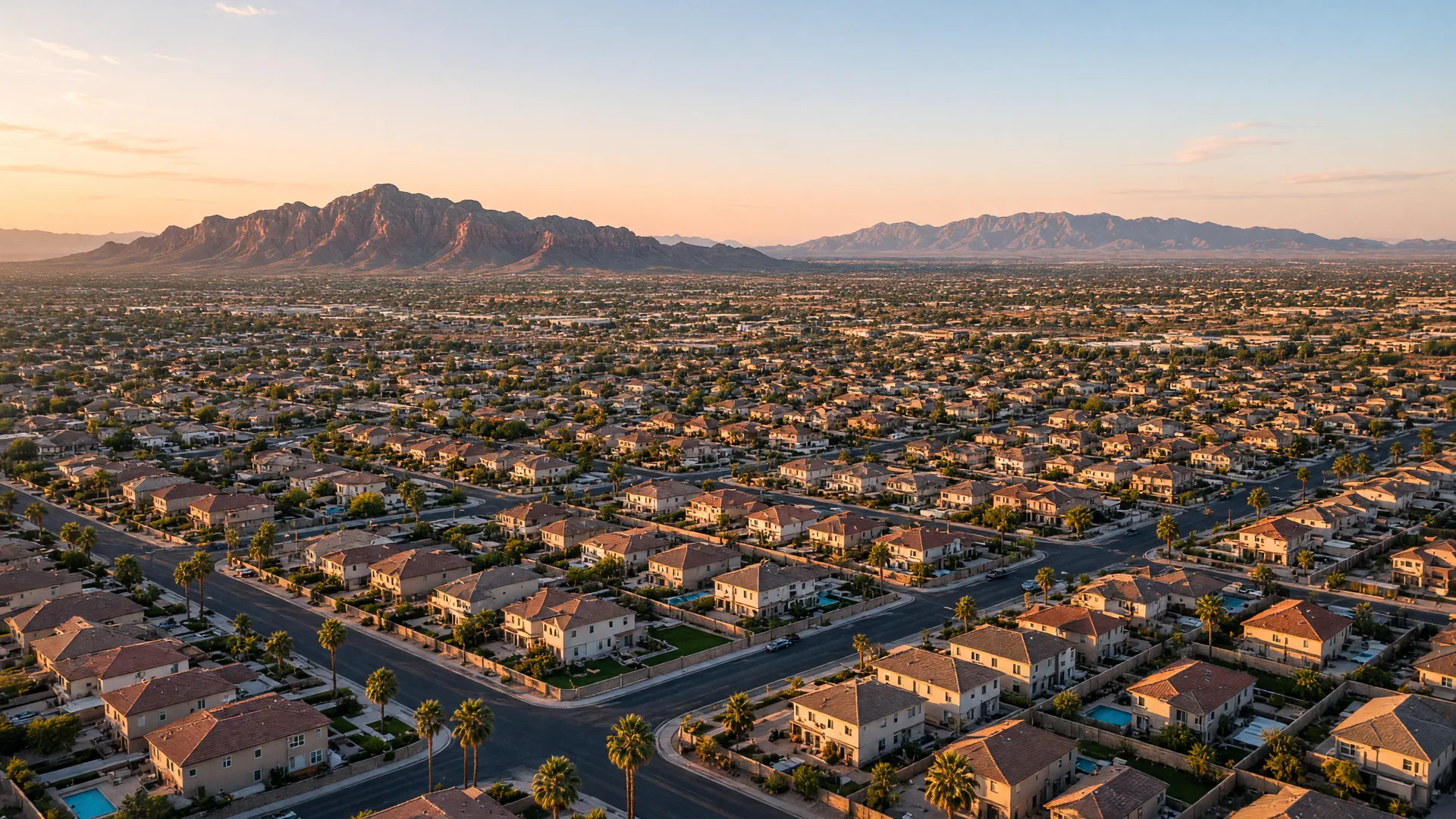
The headline says home values in Clark County fell 5% in the third quarter of 2026. The full report tells a different story: a rebalancing, not a freefall, and the right move depends on your numbers, not the news cycle.
The headline number, and what it does not say
It was a headline-grabber: home values in Clark County fell 5% in the third quarter of 2026, tying with Miami-Dade for the fourth-biggest decline among major metro areas, according to ATTOM's new report. It is the kind of number that travels well in a group chat, and it deserves a second look before anyone acts on it.
The county's median home price landed at $428,000, down from $440,000 in the second quarter and $450,000 a year earlier. Only Middlesex County, MA (down 11%), Orange County, FL (down 10%), and Duval County, FL (down 8%) fell harder. If you only read the lead sentence, it sounds like the roof is coming off. It is not.
A rebalancing, not a freefall
Before anyone reads “crash” into that, read the whole story. This is a rebalancing, not a freefall. Clark County prices climbed more than 40% between 2020 and 2025. When a market runs up that fast and that far, a pullback is a normal correction, and it is happening for identifiable reasons: mortgage rates are hovering near levels not seen since 2023, affordability is stretched, and supply has grown.
Las Vegas Realtors reports more than 10,000 homes on the market, a level not seen since 2014. Buyers have choices again, and bidding wars are no longer the default. That changes the conversation for buyers and the strategy for sellers. Neither is bad news; both are different news.
The affordability math behind the move
ATTOM's affordability math explains the pressure. The average wage earner in Clark County makes about $67,678 a year, which the report says is not enough to support the median-priced home here. Up in Washoe County, the median hit $590,500, and the average wage of $73,970 falls short there too.
Nationally, the median metro-area home price was $368,000, and owning it would require an annual income of about $90,191, versus the average national wage of $79,534. Across the 583 counties ATTOM analyzed, major monthly housing costs exceeded typical wages in 80% of them. This is not a Las Vegas problem or even a Nevada problem; it is the defining condition of this housing cycle.
What this means for buyers
This is the most negotiating room Las Vegas buyers have had in years. More inventory means more time to compare, more room to ask for price adjustments, and fewer situations where you have to waive contingencies to compete. You can look at three or four homes instead of racing to one, and you can ask for the repairs the inspection finds instead of accepting everything as-is.
But affordability is still the real test: even with prices off their peak, higher rates keep monthly payments high, so the practical question remains what payment you can carry, not just what the sticker says. Trying to time the exact bottom is a losing game. If the numbers work for your life and your budget, a well-negotiated purchase today can serve you well.
What this means for sellers
Pricing strategy matters more now than at any point since the boom. Days on market are up and price reductions are common, so the old “list high and test the market” approach is risky; buyers are comparing, and they want to know why one house is priced $45,000 above the comparable next door. The market is asking every seller a fair question: why is this house priced where it is? If the answer starts with “we can always come down,” that is a gamble, not a strategy.
The homes still selling well are the ones priced realistically from day one, presented well, and marketed to the right buyers. Realistic does not mean cheap; it means supported by comparable sales from the last few months, not from last spring. That is where experience and honest market analysis earn their keep.
Headlines are not a strategy
The bigger lesson is that Las Vegas real estate is not one-size-fits-all, and headlines are not a strategy. Whether you are buying, selling, or just watching from the sidelines, the right move comes from your numbers: what you can afford, what your home is actually worth in today's market, and what your timeline demands. That is the conversation worth having.
A note on the numbers
Attribution: ATTOM Q3 2026 U.S. Home Affordability Report; Nevada Current; Las Vegas Realtors. Market conditions change, and quarterly reports are snapshots, not instructions. Prices, rates and inventory move, so the practical step is to work from current, local data for your specific address rather than a national headline.
That is exactly what a conversation covers: your home, your numbers, and what the latest local data says about your situation.

Written by
Sandy Margolin
REALTOR · Certified AI Agent · 36+ years in Las Vegas real estate · former licensed residential appraiser.
More about SandyKeep reading
What Is a Market Value Cash Offer? The Honest Breakdown
A market value cash offer sounds like the best of both worlds: cash speed and full price. The honest version is more interesting. The price is real, and the fee is the price of the certainty. Here is how these offers work and how to tell a good one from a marketing phrase.
9 min read · Keep readingThe Walk-Away Number: What You'll Actually Take Home After Selling in Las Vegas
Your home may be worth $700,000. That figure gets all the attention. The number that matters most is what lands in your pocket after the loan is paid off and the costs of selling come out. Here is how to find that number.
6 min read · Keep readingWant the answer for your situation?
Articles answer the general question. The phone call answers yours, with your numbers.