Should I Put My Home in a Will or a Trust?
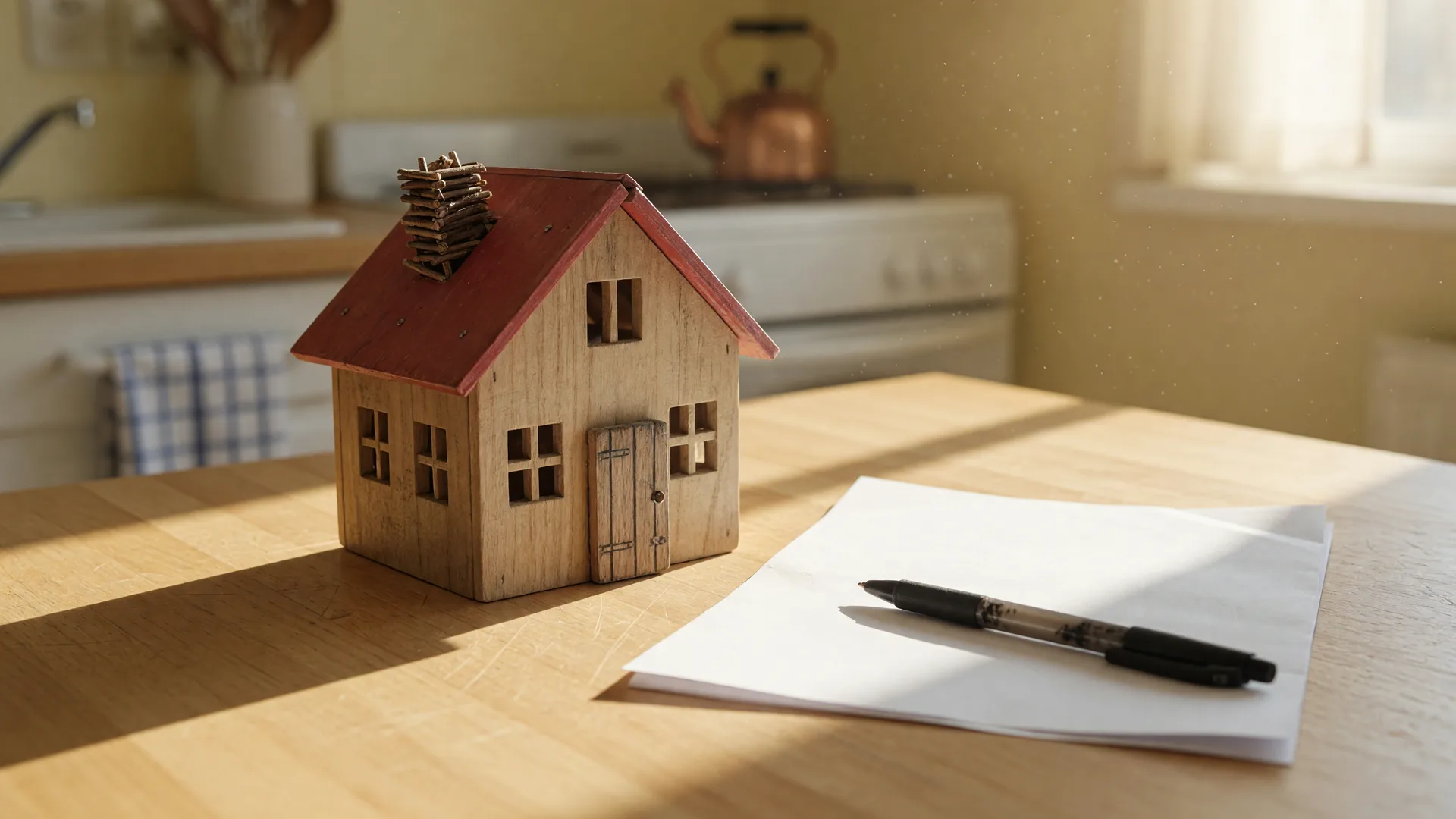
Who gets your house after you are gone? A will says who, but a judge still has to check the note. A trust is like a box that is already packed, so the house skips the judge's visit. Here is how to think about it, in the simplest words I know.
The question that starts this conversation
Maybe you are getting your papers in order. Maybe you are getting ready to sell a home your family has lived in for a long time. Maybe you are downsizing and thinking about what comes next.
At some point, almost everyone asks the same question: who gets the house? It is a good question, and it deserves a calm, simple answer.
This article is that answer. No fancy words. No legal riddles. Just the plain truth about the two ways to pass your home on: a will and a trust.
The simple way to think about it
Here is the easiest way I know to understand the difference. Think of your things as toys, and think of your house as the biggest toy you own.
A will is like leaving a note that says who gets your toys. The note is clear and kind. But a grown-up in a judge's robe still has to check the note. They make sure everything is fair, that the note is real, and that no one is left out. That check takes a long time and costs money.
A trust is like putting your toys in a special box right now, with the name of who should get them written on the front. When you are gone, that person just takes the box home. No judge's visit needed.
That is the whole idea. A will is a note that gets checked. A trust is a box that is already packed.
The good and not-so-good of a will
The good things
- It costs less to set up now, and it is easier to get.
- It is easy to understand. You write who gets what, and you sign it.
- It is easy to change. If things change, you can make a new note.
- It lets you name who takes care of your kids, if you have young children.
The not-so-good things
- The house has to go through probate. Probate is when the court checks everything and gives permission for the house to change hands. It takes a long time, usually 6 to 18 months.
- It can cost a lot by the time the judge's check is done. Roughly 3 to 7 cents of every dollar the house is worth can go to that process.
- Anyone can look at the court records and see what you owned. Your private business becomes public.
- A will only works after you die. It cannot help if you get very sick and cannot make decisions for yourself.
The good and not-so-good of a trust
When I say trust here, I mean a revocable living trust. That is a fancy name for a simple thing: a box you can open and change while you are alive. You can add things, take things out, or change who gets the box. It is yours until you are gone.
The good things
- The house skips the judge's visit. Your family gets it in weeks instead of months.
- It is private. Nobody can look, because there are no court records to look at.
- If you get very sick and cannot make decisions, the person you chose can take over for you. A will cannot do that.
- It is harder for anyone to argue about. The box already has a name on it.
The not-so-good things
- It costs more to set up now. A lawyer does more work, so it costs more.
- The house only skips the judge's visit if you actually move it into the box. That means signing a new deed with the trust's name on it. A deed is the paper that says who owns the house. A trust with nothing in it does nothing.
- You must keep putting new things in as life changes. If you buy a new house and never put it in the box, that house still goes through the judge's check.
- It does not, by itself, lower estate taxes. Estate taxes are taxes on what you leave behind. A trust does not automatically make them smaller.
How to choose
There is no one-size-fits-all answer. That is one of the first things I tell people. But there are a few simple rules of thumb.
A will may be enough for a small, simple situation: one house, one owner, and a family that all gets along.
A trust is worth talking about if the house is worth a lot, if the family is blended, if the kids live far away, or if you want the house to pass fast and privately.
And many families do both. They put the house in a trust, and they also make a simple will. The will acts like a catch-all net. It catches anything that was left out of the box, so nothing falls through the cracks.
This sounds like you, and a will may be enough
- You have one house and one owner.
- Your family gets along and agrees on things.
- You want the simplest, cheapest way to write your wishes down.
This sounds like you, and a trust is worth talking about
- Your house is worth a lot, and you want to protect that value.
- Your family is blended, with stepchildren or children from more than one marriage.
- Your kids live far away, and waiting months would be hard for them.
- You want it fast and private, with no court records.
The important part
Here is the part I want you to remember. I am Sandy, a real estate agent. I am not a lawyer.
This article is just information to help you think. It is not legal advice.
The rules are different in different states, and your situation is your own.
The best next step is a local estate-planning attorney. They are the people who write wills and trusts for a living. They will look at your house, your family, and your state, and they will tell you what fits.
My job is to help you with the real estate part: what your home is worth, what selling looks like, and what your options are. The will and the trust are the lawyer's table. Sit down with them, and you will be glad you did.

Written by
Sandy Margolin
REALTOR · Certified AI Agent · 36+ years in Las Vegas real estate · former licensed residential appraiser.
More about SandyKeep reading
What Is a Market Value Cash Offer? The Honest Breakdown
A market value cash offer sounds like the best of both worlds: cash speed and full price. The honest version is more interesting. The price is real, and the fee is the price of the certainty. Here is how these offers work and how to tell a good one from a marketing phrase.
9 min read · Keep readingThe Walk-Away Number: What You'll Actually Take Home After Selling in Las Vegas
Your home may be worth $700,000. That figure gets all the attention. The number that matters most is what lands in your pocket after the loan is paid off and the costs of selling come out. Here is how to find that number.
6 min read · Keep readingWant the answer for your situation?
Articles answer the general question. The phone call answers yours, with your numbers.