What Lowers Home Value in Las Vegas?
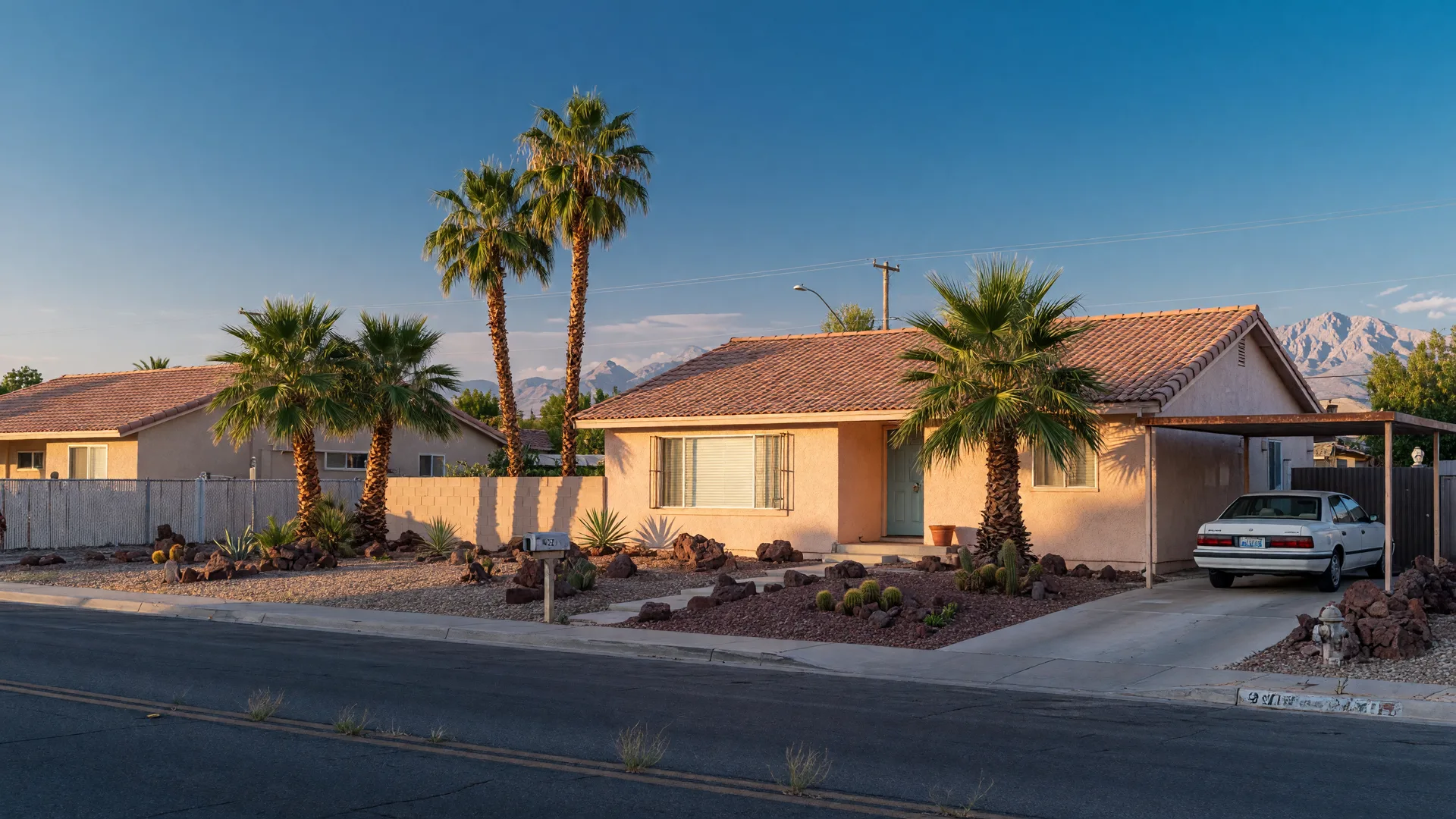
Here is the straight answer: the biggest things that lower a Las Vegas home's value are condition, dated kitchens and bathrooms, unpermitted additions, location problems like busy streets and blocked views, and pricing that ignores what comparable sales actually support. A few of those you can fix before you list. A few you cannot. The point of this article is to help you tell the difference, because money spent on the wrong thing does not come back at the closing table.
I spent more than 15 years as a licensed residential appraiser before giving up that license in 2013, and I still evaluate homes the way appraisers do: from the evidence, not the asking price. When an appraiser walks a Las Vegas home, they are not judging taste. They are comparing your house against recent sales and applying adjustments for everything that makes it better or worse. This article walks through the factors that push a value down, how appraisers treat each one, and which ones are worth your money to address.
Quick Takeaways
- Condition is the most common value drag: visible neglect like worn floors, peeling paint, broken fixtures and water stains leads to negative adjustments and can trigger lender-required repairs.
- Kitchens and bathrooms carry heavy appraisal weight. If the comparable sales have updated kitchens and baths and yours does not, the appraiser adjusts your home down.
- Unpermitted additions can be the costliest trap: square footage without permits is excluded from the appraised living area and counts for very little.
- Location factors like busy streets, power lines and obstructed views carry real discounts, while golf, mountain and Strip views carry premiums.
- Foreclosure and short-sale comps can pull values down, though distressed sales are near historic lows in Las Vegas right now.
- Overpricing is the one factor entirely in your control: the appraiser uses closed comparable sales, not your asking price, and a home priced above what the evidence supports appraises low.
What Actually Lowers a Las Vegas Home's Value?
Start with how value is actually determined, because that explains everything else on this list. An appraiser does not start with your asking price, the active listing next door, or an online estimate. They start with recent closed sales of homes like yours, and then they adjust for the differences: size, condition, age, updates, location and features. Every factor below is really just a difference the appraiser has to account for, and the ones that count against you are the ones where your home compares worse than the sales it is measured against.
That is why the same square footage can sell for very different numbers in the same neighborhood. Two homes can have identical floor plans and very different values, because value is a comparison, not a formula. The factors below fall into two buckets: things about your property that you can change, and things about the property and the market around it that you cannot. Knowing which bucket each factor sits in is where the money is saved.
Deferred Maintenance and Condition
Visible neglect is the most consistently cited value drag in the appraisal world. Appraisers rate condition on a scale, Fannie Mae's C1 through C6, and those ratings drive negative dollar adjustments. Water stains on ceilings, broken fixtures, worn flooring, peeling paint, a roof that is clearly past its life: each one pushes your home down the condition scale and widens the gap between your home and the better comps it is measured against.
The common rules of thumb, reported and not guarantees: condition differences between comparable homes commonly run in the 5 to 10 percent range, and age gaps roughly 5 percent per decade of difference. Those are starting points appraisers use, not fixed prices, but they give you a sense of scale. On a $500,000 home, a condition adjustment in that range is real money.
There is a second, sharper edge to condition: lender-required repairs. If the buyer is using an FHA or VA loan, the appraiser flags health and safety issues, and the repairs become conditions of the loan. A broken window, a missing handrail, an inoperative outlet: small things can stall or kill a deal that the numbers otherwise support. The cheapest money you will ever spend on your home's value is fixing the small, visible things before the appraiser ever arrives.
Dated Kitchens and Bathrooms
Kitchens and bathrooms carry heavy appraisal weight because they are the most expensive rooms in a house to update. When the comparable sales in your neighborhood have updated kitchens and baths and yours is still original, the appraiser adjusts your home down to reflect what a buyer would have to spend to bring it up to the comps. This is one of the most common adjustments in Las Vegas, where a large share of the resale inventory was built in the same eras and the difference between an updated home and an original home is stark.
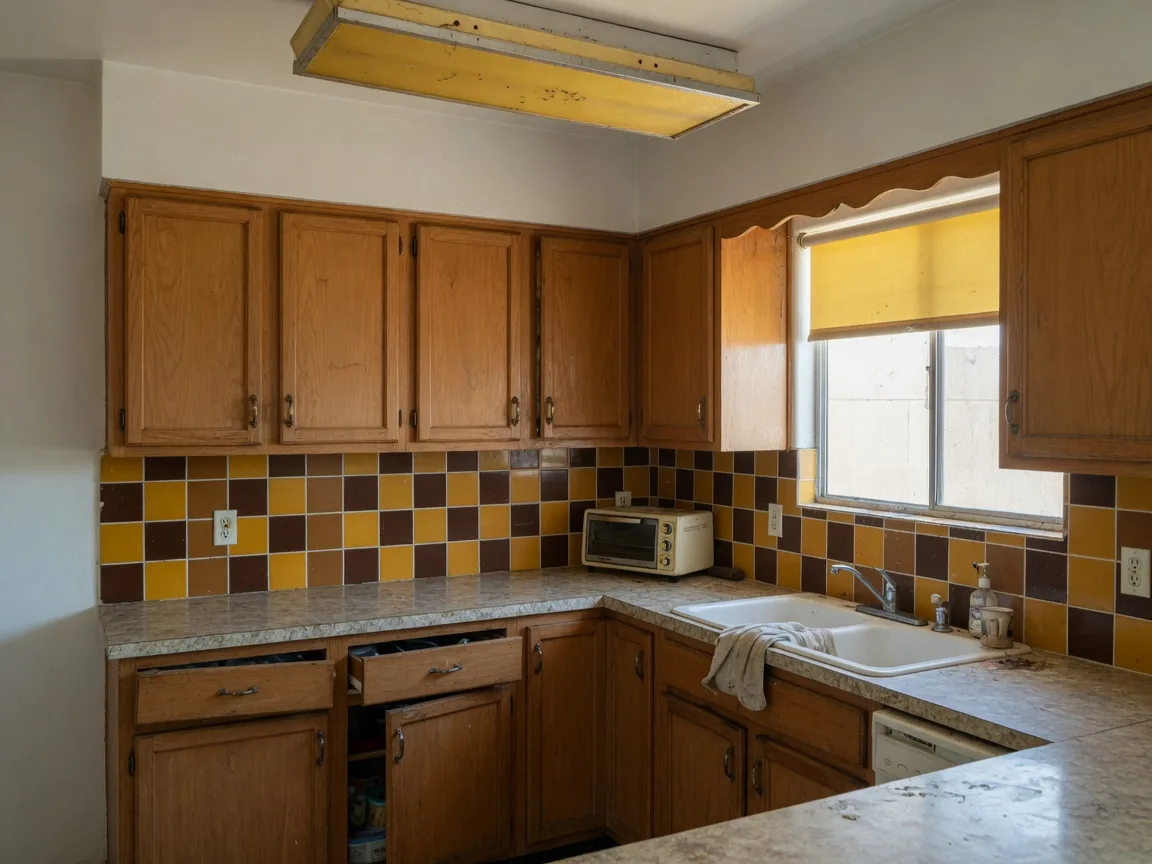
The good news is that you do not always need a full remodel. The goal is to not be the worst kitchen in your comparison set. Clean, neutral, functional and well-lit beats trendy every time, and in many cases a fresh paint color, new hardware, updated lighting and clean surfaces close most of the gap for a fraction of a renovation budget. If your kitchen is genuinely the worst in the comp set, that is when a real update earns its money, and I will tell you honestly which situation you are in before you spend a dollar.
Unpermitted Additions
This is the trap that catches the most sellers in older Las Vegas neighborhoods: the converted garage, the bonus room, the casita built without permits. Unpermitted square footage is excluded from the appraised living area, the gross living area that drives the value comparison, and it appraises for very little, often near zero. Clark County permit records surface it during buyer diligence, and a buyer's lender and appraiser will find it even if the listing does not mention it.
The honest advice: if you have unpermitted space, disclose it, price the home for what the permitted square footage supports, and market the space as a bonus rather than as bedrooms or living area. Trying to count it as finished square footage is how listings sit, appraisals come in low, and deals fall apart at the last minute. If you are thinking about adding space before selling, get the permit question answered first, because an unpermitted addition can cost you more at resale than it ever added in living.
Location: Busy Streets, Power Lines and Views
Location is the factor you cannot change, and in Las Vegas it cuts both ways. Golf course, mountain and Strip views carry real premiums. Busy roads, power lines and obstructed views carry real discounts. An appraiser must find comparable sales with similar adverse influences, and when they cannot, they apply adjustments for the difference.
The commonly cited approach is a percentage adjustment, around 1 percent per location factor, and the reported impact on a busy through street can run roughly $50,000 to $100,000 in higher price ranges. Those are reported figures, not a promise for your specific home, because the size of the adjustment depends on the comps available. What is certain is the direction: a home on a busy street with a blocked view compares worse than the same home on a quiet cul-de-sac with a view.
If your home has an adverse location factor, the play is not to pretend it does not exist. It is to price from the evidence, lean into the positives you do have, and find the buyer for whom your trade-offs are acceptable. There is a buyer for nearly every home; the mistake is asking a price that assumes your location is better than it is.
Foreclosures and Short Sales in the Neighborhood
Distressed sales can drag values down because they can be used as comparable sales, and a foreclosure that closed at a discount pulls the whole comparison set down with it. That is why agents and appraisers discount distressed comps when building a value picture: a short sale or foreclosure is often not a true market sale, and treating it as one overstates the damage.
Right now this factor is quieter than it has been in years. Distressed sales in Las Vegas are near historic lows, so the drag is small today in most neighborhoods. But where foreclosures are concentrated, they still matter, and a block with several distressed properties will feel it in the comps. If you are selling in one of those pockets, the answer is the same as everywhere else: price from the best true comparable sales, not the worst ones, and let the evidence do the talking.
Overpricing, the One Factor You Control
Here is the factor that lowers value more often than any physical feature, and it is the only one entirely in your control: overpricing. An appraisal is built from recent closed comparable sales, not from your asking price, the active listings around you, or what an online estimate says. When a home is priced above what the evidence supports, the appraisal comes in low, and a low appraisal is a deal killer: the buyer has to cover the gap in cash or walk away.
Overpricing also costs you in softer ways that never show up in a spreadsheet. An overpriced home sits. Days on market climb, showings dry up, and buyers start to read the listing as stale. By the time the price drops to the right number, the market has moved on and the home sells for less than it would have if it had been priced correctly on day one. I have watched this happen for 36 years, and it is the most expensive mistake a seller can make, because it is entirely avoidable.
This is where my background earns its keep. I spent more than 15 years as a licensed residential appraiser, and I still read value the way appraisers do: from comparable sales, condition, location and market behavior, not from hope. My job is to tell you what the evidence says your home is worth, even when the number is not the one you wanted to hear. Pricing from evidence is how you avoid leaving money on the table in both directions: priced too high and you sit, priced too low and you give it away.
The Las Vegas Pool Quirk
One Las Vegas-specific note that surprises out-of-state sellers: in much of the valley, a private pool is usually a positive, with the commonly cited value range in west and southwest Las Vegas running roughly $25,000 to $40,000. That means a pool-less home can compare negatively against pool comps, the reverse of markets where pools are seen as maintenance liabilities. In the desert, a pool reads as a feature, and the comps usually reflect it.
The lesson is the same one that runs through this whole article: value is local and comparative. What hurts a home in one city helps it in another, and what hurts it in one Las Vegas neighborhood may be neutral a mile away. That is exactly why the generic advice you read online, and the generic price per square foot, tell you so little about your actual home.
What to Do Before You List
If you are preparing to sell, here is the priority order I would give you, and it comes from the appraisal side of the table. First, fix what shows: leaks, broken fixtures, worn flooring, peeling paint, landscaping. These are the cheapest fixes and the ones appraisers and buyers notice first. Second, do a deep clean and declutter; condition is not about taste, it is about how the home presents compared with the comps. Third, run the numbers before any remodel: only update the kitchen or bath if yours is genuinely the worst in the comparison set. Fourth, get the permit story straight on any addition. Fifth, and most important, price from evidence from day one.
A pre-listing walkthrough with an agent who reads value like an appraiser is the cheapest insurance you can buy. You will get an honest list of what matters, what does not, and what your home is realistically worth before you spend a dime on improvements. That is the conversation I have with every seller, and it has not changed in 36 years: educate first, then decide.
Frequently Asked Questions
Q: What is the biggest thing that lowers a home's value in Las Vegas?
A: Deferred maintenance and visible condition problems are the most consistently cited value drag: water stains, broken fixtures, worn flooring and peeling paint all lead appraisers to apply negative adjustments and can trigger lender-required repairs. The costliest trap is often an unpermitted addition, because square footage without permits is excluded from the appraised living area and counts for very little.
Q: Do dated kitchens and bathrooms really lower a home's value?
A: Yes. Kitchens and bathrooms carry heavy appraisal weight because they are expensive to update. When the comparable sales in your neighborhood have updated kitchens and baths and yours is original, the appraiser adjusts your home down. You do not always need a full remodel; you need to avoid being the worst kitchen in your comparison set.
Q: How much does a busy street lower a home's value?
A: Appraisers commonly apply percentage adjustments for location factors, with around 1 percent per factor as a frequently cited figure, and they must find comparable sales with similar adverse influences. On a busy through street in higher price ranges, the reported discount can run roughly $50,000 to $100,000. Power lines and obstructed views work the same way, while golf, mountain and Strip views carry premiums.
Q: Do foreclosures and short sales lower neighborhood values?
A: They can. Distressed sales can be used as comparable sales and pull appraised values down, which is why agents often discount them when building a comparison set. Right now distressed sales in Las Vegas are near historic lows, so the drag is small today, but it still matters where they are concentrated.
Q: Why does overpricing lower a home's value?
A: Because an appraisal is built from recent closed comparable sales, not from your asking price, the active listings around you or an online estimate. A home priced above what the evidence supports appraises low, and a low appraisal can kill the deal by forcing the buyer to cover the gap. Overpricing is the one factor on this list that is entirely in your control.
Q: Should I remodel before selling my Las Vegas home?
A: Only if your kitchen or bathroom is genuinely the worst in your comparison set. Otherwise the money is usually better spent on condition: deep cleaning, paint, landscaping, fixing leaks and replacing broken fixtures. Run the numbers against recent sales before you spend, because not every improvement comes back at the closing table.
Next Steps: Get a Realistic Read on Your Home
The factors in this article answer the general question. Your answer depends on your specific home, your neighborhood, your condition and your comps, and those are numbers we can put side by side in one conversation. I will tell you what the evidence says, including what is worth fixing and what is not, before you spend anything. No pressure, no promises, just a clear read of your options.
Related Sandy Margolin resources
- How much is my Las Vegas home really worth? the full walk-through of how value is built from comparable sales.
- Avoid costly home valuation mistakes: seven expert tips from a former appraiser.
- What is an appraisal gap, and who pays it? what happens when the appraisal comes in below the contract price.
- The Walk-Away Number: what you will actually take home after selling, beyond the value on paper.
- Why isn't my home selling? the listing problems that leave a Las Vegas home sitting on the market.

Written by
Sandy Margolin
REALTOR® · Certified AI Agent · 36+ years in real estate · Former Appraiser · Nevada license S.0072707
More about SandyWondering what YOUR home is really worth?
The article covers the general factors. The conversation covers your home: your condition, your comps, what is worth fixing and what is not, in plain English.