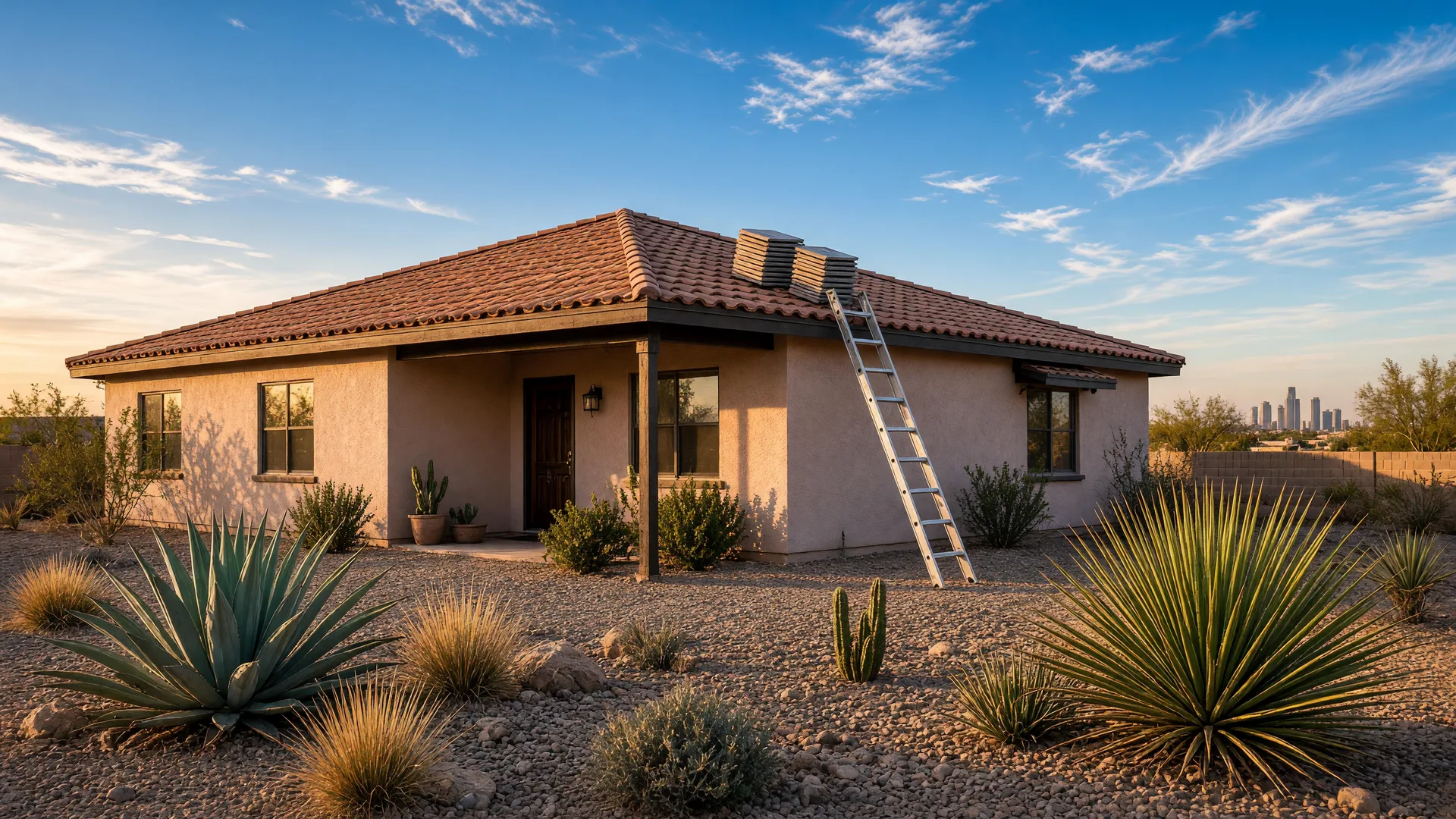
10 Most Expensive Home Repairs
Almost every home needs something. The difference between a smooth first year and a budget crisis is usually how much the buyer knew before closing. Here is what the costliest repairs look like, why they get expensive, and how a thorough inspection and an appraiser's eye can help you anticipate them before you own them.
A repair list is part of the purchase price
In Las Vegas, the expensive repairs are the ones attached to the building itself. A drip under a sink is a faucet. A crack in the slab is a conversation. Roofs, foundations, structure, heating and cooling, plumbing, electrical and drainage: these are the categories where a small problem becomes a large bill. After more than 36 years in real estate, including my years as a licensed residential real estate appraiser, I have walked through enough homes to know which systems send budgets sideways.
I am deliberately not quoting prices in this guide, for a simple reason: no honest figure fits every home. The real cost of a roof or a sewer line depends on the size and age of the property, the scope of the damage, local code requirements and the contractor you choose. What I can give you is the education: why each repair gets expensive, what drives the price, and how to spot the signs of trouble before you own them.
Use this list the way I do when a buyer asks me to look at a property with the appraiser's eye: as a map of questions to ask, things to inspect and line items to plan for, not a scare sheet. A buyer who knows what homes in the Las Vegas Valley ask for is a buyer who makes a calmer, smarter offer.
The repairs that cost the most
In rough order of cost impact, these are the systems and repairs I would want every Las Vegas buyer to understand before making an offer. They are the ones where labor, materials and hidden damage stack up fastest, and where a little foreknowledge saves the most.
- 01
Foundation issues
The foundation is what everything else sits on, so when it moves, the whole house gets involved. Repairs usually begin with an engineered assessment, then excavation, underpinning or piers, and they can touch the entire perimeter of the home. In Las Vegas, many homes sit on slab-on-grade foundations over expansive clay soils that swell and shrink with moisture, which is why drainage and watering near the foundation get so much attention here. Even a localized repair involves heavy equipment, specialized contractors, engineering reports and permits, and the problem underground is often bigger than it looks on the surface. A few hairline cracks can be cosmetic. Diagonal or stair-step cracks, doors that stick, and floors that slope are the kinds of signs an inspector and an appraiser both take seriously.
- 02
Roof replacement
The roof is a large surface with many layers, and replacement means removing what is there, repairing or replacing the decking underneath, installing underlayment, flashing and new material, and doing it all to current code. In the Las Vegas Valley, building codes include wind ratings for this region, so materials and installation methods are often specified more strictly than in other parts of the country. And the desert sun is hard on roofing: years of heat and UV degrade materials in ways buyers from milder climates do not expect. Add roof pitch, a two-story home and disposal of the old layers, and it is easy to see why the labor and material bill climbs. The reassuring part: a roof shows its age, and a careful inspector can usually tell you how much is genuinely left in it.
- 03
Structural or bearing-wall problems
The structure is the house's skeleton, and repairing or removing a bearing wall, one that carries the load of the floor or roof above it, is not a drywall job. It means engineering, temporary support, a properly sized beam, permits and inspections. The cost runs high because you cannot see a home's load path just by looking at it. When a previous owner opened up a wall without the right structure behind it, the problem stays hidden until something settles, cracks or sags. That is why a history of unpermitted remodels can turn into expensive corrections later. This is also where an experienced inspector, and a healthy amount of curiosity about a home's past, earn their keep before you commit.
- 04
Water heaters, including tankless
A water heater is a hardworking appliance, and replacing one properly costs more than the sticker on the tank. You pay for the unit, the labor, the plumbing connections, often new venting, gas line or electrical work when the type changes, a permit, and hauling the old unit away. Tankless models are efficient, but they usually cost more up front than a tank, and they need correct sizing and adequate fuel supply to actually deliver. Where the unit lives matters too: some Las Vegas homes put them in attics or garages, where access, strapping, ventilation and drainage all add to the job. An inspection typically reports the age of the unit, and age is the most honest predictor of when replacement is coming.
- 05
HVAC: heating and cooling
Air conditioning in Las Vegas is not a comfort feature. It is what makes a home livable, and the system runs for much of the year, which means it works harder and ages faster here than in most markets. Replacement involves the indoor unit, the outdoor condenser, the refrigerant line set, often ductwork improvements, permits and installation by licensed professionals. Older systems may also run on refrigerants that are being phased out, which makes repairs costlier over time and can push replacement sooner. Because the stakes are so high, I always ask about the age and condition of the HVAC before a buyer makes an offer. A unit near the end of its life is not a dealbreaker, but it is a number that belongs in the negotiation.
- 06
Electrical panel and wiring
The electrical system is governed by code for a reason, and the panel is its most important piece. Older panels, fuses or wiring types that are no longer standard can be unsafe, can fail an inspection, and can be expensive to bring up to current requirements. Upgrading a panel means coordinating with the utility and having a licensed electrician rework the service, which is specialized, permitted work. And wiring is hidden: replacing obsolete wiring inside finished walls means opening up the house, which multiplies the bill. It is also a resale issue, because buyers, insurers and appraisers all notice an electrical system that looks dated or visibly overloaded. A qualified inspector can flag these concerns during the inspection period, which is exactly when you want to know about them.
- 07
Plumbing, especially slab issues
Las Vegas is a slab-on-grade town, and when a supply line under the slab leaks, the fix is not a simple pipe repair. It takes locating the leak, cutting into the slab, rerouting or replacing the line, patching the concrete, and often repairing the floors, drywall and cabinets that the water damaged along the way. Older homes may have piping materials that are no longer used, which means the prudent fix is often replacing a whole run instead of patching one spot. Water damage spreads quietly, behind walls and under floors, so the visible repair cost is only part of the bill. The clues, such as a water heater that cycles constantly, unexplained damp spots, or a water bill that climbs for no clear reason, are things a good inspector looks for and a smart buyer asks about.
- 08
Sewer line and drainage
The sewer line carries waste from the house to the street or the community system, and almost all of it is buried, under the yard or the driveway. Roots, shifting soil, blockages and age all take a toll, and the repair usually means trenching out part of the yard or lining the pipe from the inside, a specialized job with its own equipment and permits. Unlike most repairs, you generally cannot see the problem until it announces itself, which is why I like a camera inspection of the sewer line as part of due diligence on older homes. Drainage matters just as much above ground: how water moves away from the structure and the lot determines how much of it ends up testing the foundation, the slab and the landscaping.
- 09
Mold and water damage remediation
Mold remediation is expensive for a simple reason: it is not just removing what you can see. It is finding and fixing the moisture source, removing the affected materials properly, drying the whole assembly, and preventing recurrence. Roof leaks, plumbing leaks, poor ventilation and the occasional monsoon rain in Las Vegas can all create the conditions. The work is specialized, containment and testing add cost, and if moisture caused structural or finish damage, you pay for that repair on top of the remediation. Insurance language around mold and water varies from policy to policy, so never assume coverage; read the policy and ask. The defensive play is prevention and early detection, which is what inspections, steady maintenance and knowing a home's weak points are for.
- 10
Major appliances and exterior upgrades: windows and siding
Windows and siding are big-surface items, and big surface means big material and labor bills. Replacing windows means removing and reinstalling the full perimeter, with custom sizing, weatherproofing and energy performance that matters in a desert climate. Siding replacement covers the whole exterior, often includes repairing the sheathing underneath, and means matching or updating the look of the facade. Major appliances such as a range, dishwasher or water heater can also cost more than their sticker price once installation, venting and hookups are included. None of these are emergencies the way a slab leak is, but they are large, predictable costs, and a home's age and condition tell you they are coming.
Notice what all ten have in common: the cost comes from labor, materials and hidden damage, rarely from the part itself, and the price is different for every home. That is why you will not find dollar figures here. What you will find is a map: the systems to ask about, the signs to look for, and the questions to bring to the inspection.
Inspection plus an appraiser's eye
No one can predict every repair a house will ever need, and no honest agent will pretend otherwise. But a buyer can do a lot to anticipate the big ones, and it comes down to two tools working together during the escrow period.
A thorough inspection
The single best protection a buyer has is a licensed home inspector who walks the property when it is empty and accessible. A good inspector checks the roof, foundation, structure, HVAC, plumbing, electrical and water heater, and writes up what is failing, what is tired and what is fine. Then the report needs to be translated into priorities and dollars, and that translation is part of my job.
An appraiser's eye for condition
My own background adds a second lens. For years early in my career I was a licensed residential real estate appraiser, and that training is about condition and value: how old each system is, how much useful life it has left, and how the market prices a home with a strong roof versus a tired one. When I help buyers, that is the perspective I bring, not just whether a home passes inspection, but what the condition evidence says it is worth, and which of these repairs a given property might genuinely need soon.
Put the two together and a picture forms that neither gives you alone: whether a home is likely to ask for foundation work, a new roof or a tired HVAC in the next few years, and what that should mean for the price, the inspection responses and the way you negotiate. In my experience, that is one of the most valuable things a buyer can bring to a Las Vegas purchase.
Next resources
What an inspection covers, how to read the report, and what happens next.
Read it Home appraisals for buyersWhat appraisers weigh, why condition matters, and what the report means for your offer.
Read it The full buying guideThe whole how-to-buy sequence, from pre-approval to closing, step by step.
Read itKnow what a home needs before you own it
The best time to learn what a home needs is before you own it, not after. I help Las Vegas buyers read inspections, understand condition and negotiate with the repair list on the table, drawing on more than 36 years in real estate and my background as a former licensed residential appraiser. Call or email me, or start with the full buying guide below.
Licensed in Nevada · Sales Person S.0072707 · Equal Housing Opportunity
Disclaimer: By providing your information, you agree to receive communications from Sandy Margolin. Message and data rates may apply. If the property is listed with another REALTOR® or Broker, please disregard. Information deemed reliable but not guaranteed.