Should I Accept a Cash Offer for My Home? The Honest Answer
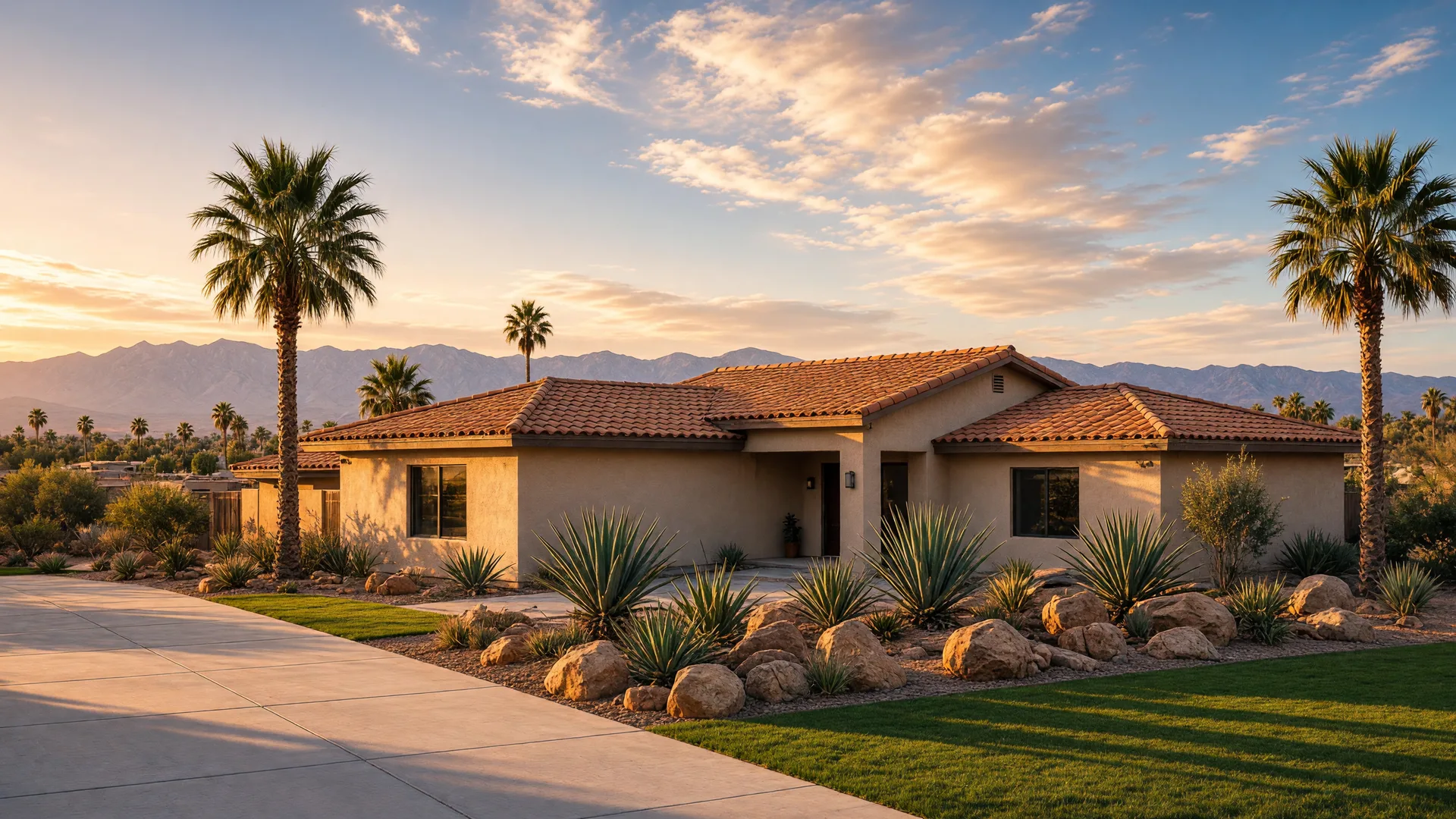
Cash offers are common in Las Vegas, roughly one in four sales, but they are not all the same. An offer from a family moving from California is a different animal than one from a flipper or an iBuyer. Here is how to tell what is actually in front of you, what it really costs, and when accepting is the smartest move you can make.
Should I accept a cash offer for my home? The short answer
It depends on two things: who is making the offer and what you need. A cash offer is not automatically a good deal or a bad one. It is a trade. You are giving up something, usually some price, in exchange for speed and certainty. Whether that trade is worth it comes down to your home, your situation and the specific offer in front of you.
Here is the part most sellers miss: cash offers are not one thing. An offer from a retired couple who just sold their California home and want to move to Summerlin is completely different from an offer from a we-buy-houses company or an iBuyer. The word cash tells you how the buyer is paying. It tells you almost nothing about the price or the terms. So the real question is not should I accept a cash offer. It is should I accept this cash offer.
What a cash offer actually changes
Start with what cash removes from the transaction. A cash buyer has no lender, so there is no financing contingency, no lender-required appraisal and no underwriting. That is why cash deals close fast. Reported common guides put all-cash closings at roughly 7 to 14 days from acceptance, while a conventional financed purchase typically runs 30 to 45 days, and FHA or VA loans can go longer.
Cash also removes the most common way deals die. Reported analyses put financed deals failing to close at roughly 5 to 10 percent, with financing trouble the leading cause, while cash offers fall through less than 2 to 3 percent of the time. A cash buyer's money is already in the bank. The deal can still die over title, inspections or the buyer's own cold feet, but it cannot die because a lender said no.
What cash does not remove is the paperwork. In Nevada, the seller's disclosure obligations still apply to a cash sale. Under NRS 113.130, the seller must complete the state's Seller's Real Property Disclosure Form and deliver it to the buyer before the property is conveyed. If the home is in an HOA, the resale package under NRS 116.4109 is still required, and its statutory timeline, up to 10 days for the association to produce it and 5 days for the buyer to review and cancel, is part of why even a fast cash close in a community with an HOA takes what it takes.
The three kinds of cash buyers
Before you evaluate the number, figure out who is on the other side of it. In Las Vegas you will mostly see three kinds of cash buyers, and they operate on completely different math.
Individual and family cash buyers are the largest group, and they are usually not looking for a discount at all. Retirees, 55+ buyers, families who just sold a home in California, investors moving equity from one property to the next. They want the home and they happen to have the cash. Their offers are typically priced at or near market, and they are often the best cash offers you will ever receive.
Investors and flippers are a different animal. Their offers are built on the 70 percent rule: roughly 70 percent of the after-repair value minus the estimated cost of the work. Reported ranges for cash home-buying companies land around 60 to 80 percent of market value. The discount is not an insult. It is their business model, and it buys you a fast, as-is, no-nonsense sale.
iBuyers sit in the middle. They make instant online offers closer to market, but the offers carry service fees and repair deductions. Reported analyses of Opendoor and Offerpad transactions found offers averaging roughly 8 to 14 percent below resale value, with service fees commonly around 5 percent plus closing costs. The headline number looks better than a flipper's, and the net after fees is the number that matters.
There is also a newer category worth knowing about: market value cash programs where the fee sits on the buyer's side of the table. I covered those in depth in What Is a Market Value Cash Offer?.
What the discount is actually buying you
Reported research puts the average cash offer at roughly 9 to 11 percent below what a comparable financed buyer would pay. That gap is not random. It is the price of speed and certainty, and both have real dollar value.
Speed matters when you are buying and selling at the same time, when you are on a job move or a retirement date, or when carrying costs are eating your equity every month. Certainty matters when a financed deal falling apart at the appraisal would cost you weeks and momentum. For a seller in one of those positions, a cash offer at 90 percent of market can genuinely beat a financed offer at 100 percent that might not close at all.
The mistake is paying for certainty you do not need. If your home shows well, you can wait, and you want the highest net, the open market usually wins. Cash is a tool, not a prize. The question is whether you are actually using what it sells.
How common is cash in Las Vegas?
Cash is not exotic here. Las Vegas REALTORS reported all-cash sales at about 26.2 percent of local closings in October 2026, and the cash share has run roughly 22 to 26 percent through the year. Roughly one in four homes in this valley sells without a mortgage.
That matters for two reasons. First, a cash offer is normal, not suspicious, so you should evaluate it like any other offer. Second, most of those cash buyers are ordinary people, not investors hunting a discount. The mailers you get from we-buy-houses companies are not a picture of the whole cash market. If you want the deeper numbers, I wrote about how much of the Las Vegas market is actually cash and how cash offers actually work.
The questions to ask before you accept any cash offer
Whether the offer says cash or not, run it through the same checklist:
The seven-point checklist
- Who is the buyer? An individual, a family, an investor, a company. It changes the risk profile and the negotiation.
- Can they prove the money? A recent bank statement or a proof-of-funds letter from a bank, credit union or brokerage. No proof, no deal.
- What is the price compared to a realistic market value for your specific home, not an online estimate?
- What contingencies survive? Cash removes financing, but inspections, appraisal and title review are separate decisions.
- What is the timeline in writing, and when does the money actually land in your account?
- Is it as-is, and what does the contract say about repairs, credits and the disclosure form?
- What are the fees? iBuyer service fees, program fees and repair deductions come out of your net, not the headline price.
When accepting a cash offer is the right call
There are real situations where a cash offer is the smartest financial decision on the table, and I say that as someone who earns a living listing homes:
Situations where the trade pays for itself
- You are buying and selling at the same time and need a close date you can count on to make the next purchase work.
- The home needs repairs you do not want to fund, and the offer lets you skip the fix-up and the negotiation over it.
- You are on a deadline that does not care about the market: a job move, a retirement date, a family situation.
- The home sits in a condition or location where financed buyers struggle, such as a condo project that does not meet current lending rules.
- You have owned the home a long time, your equity is solid, and certainty matters more than squeezing out the last dollar.
When it is probably not your best route
And here is the flip side, because my job is to tell you when a deal is not for you, not to talk you into one:
Times to slow down
- Your home shows well, you can wait, and you want to maximize net proceeds. The open market usually wins that game.
- The discount is large and the speed is not something you actually need. Paying for certainty you will not use is just paying.
- The buyer will not put the numbers in writing or explain how they got to the price. If they will not show you the comparable sales, that is an answer in itself.
- You are comparing the offer to a single online estimate instead of a real market analysis. That comparison is not apples to apples.
- You have time to make a modest repair or two that would open the home to financed buyers at a much higher price.
How to compare a cash offer to a listing, honestly
The only fair comparison is net to net. Put both routes on paper, list every cost on each side, and add the carrying costs of the extra time. That is the conversation I have with every seller who brings me a cash offer, and it usually takes about twenty minutes.
The number that decides it is not the offer price. It is what you walk away with after everything is paid. I have a full article on the walk-away number that walks through the math line by line, and another on whether your home is really worth what you think.
The bottom line
Should you accept a cash offer for your home? If it is from an individual or family at a fair price, quite possibly yes. If it is from an investor at 70 percent of market, only if speed and certainty are genuinely worth the gap. If it is from an iBuyer, read the fees before you read the headline.
The answer is never automatic, and it is never the same for two sellers. What matters is who is making the offer, what your home is realistically worth, and what you actually need. If an offer is sitting in front of you right now, bring it to me. I will run it against a realistic market value for your specific house and show you both nets side by side. That conversation is free, and it is the one I would want if the roles were reversed. Ask me your question or start with the seller's guide to cash offers.
A note on the numbers
Attribution: closing timeline and fall-through benchmarks from mortgage industry and real estate sources; cash offer discount research from published transaction analyses; iBuyer offer and fee data from independent studies of Opendoor and Offerpad transactions; Las Vegas REALTORS monthly housing statistics; Nevada disclosure and HOA resale requirements under NRS 113.130 and NRS 116.4109. Company programs, fees and timelines change, and every offer should be verified in writing before you rely on it.
Market conditions move, so work from current, local data for your specific address. That is exactly what a conversation covers: your home, your numbers, and what the latest local evidence says about your situation.

Written by
Sandy Margolin
REALTOR · Certified AI Agent · 36+ years in Las Vegas real estate · former licensed residential appraiser.
More about SandyKeep reading
Las Vegas Homes for Sale: The Complete Buyer's Guide (2026 Update)
Las Vegas is a balanced market in late 2026. There are more homes for sale than buyers have seen in years, prices are holding near record levels, and mortgage rates are back above 7 percent. This guide walks through what is actually for sale, what it costs, what you need to qualify, and the honest math of buying here right now.
12 min read · Keep readingWhat Is a Market Value Cash Offer? The Honest Breakdown
A market value cash offer sounds like the best of both worlds: cash speed and full price. The honest version is more interesting. The price is real, and the fee is the price of the certainty. Here is how these offers work and how to tell a good one from a marketing phrase.
9 min read · Keep readingWant the answer for your situation?
Articles answer the general question. The phone call answers yours, with your numbers.